Harvard Alumni Unite in Historic Housing Day Fundraising Challenge
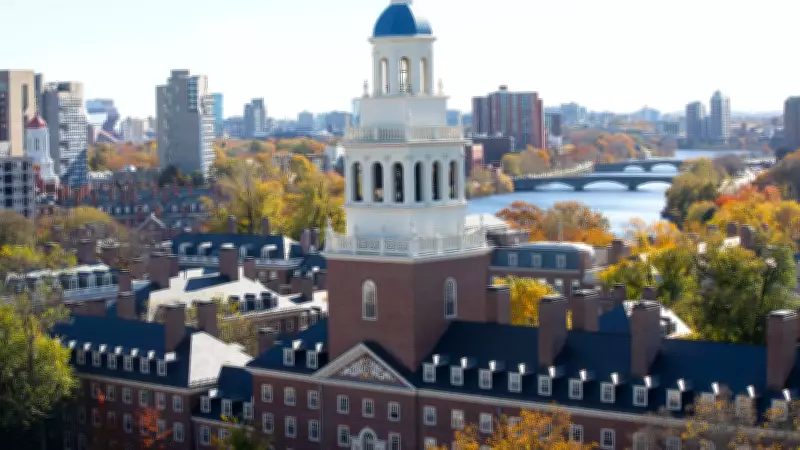
In a groundbreaking initiative that merges cherished campus traditions with modern philanthropy, Harvard College's annual Housing Day celebrations this year featured a global alumni fundraising challenge. Over a 24-hour period, graduates from around the world contributed nearly $276,000, demonstrating a powerful and enduring connection to their residential Houses while creating new opportunities to enhance student life on campus.
Competitive Spirit Drives Impressive Fundraising Totals
According to reports from The Harvard Crimson, the interhouse competition witnessed overwhelming participation, with alumni directing donations straight to their respective Houses—a significant departure from the usual centralized donation system. This approach added a competitive edge, as a live leaderboard hosted by the Harvard Alumni Association was updated throughout the day, fueling engagement and excitement.
Adams House emerged as the clear leader, raising approximately $170,000 through 444 individual contributions. This remarkable sum accounted for nearly 62 percent of the total funds raised, placing it far ahead of other Houses. Lowell House secured the second position, bringing in just under $50,000 with more than 400 donations. In contrast, most other Houses saw comparatively modest participation, with none crossing the $12,000 mark, and Kirkland House ranking last with around $2,400 collected.

Blending Tradition with Philanthropic Innovation
Housing Day is one of Harvard's most beloved traditions, where upperclassmen welcome freshmen into their assigned residential Houses. This year, the fundraising challenge allowed alumni to participate remotely in the celebrations, strengthening intergenerational ties and fostering a sense of community beyond graduation. Dean of Students Thomas G. Dunne highlighted the broader impact, stating, "This will be a great benefit to the student experience at Harvard," in remarks to The Harvard Crimson. He emphasized that the funds would directly support social programming within Houses, enhancing campus life.
Direct Impact on Student Experience and Autonomy
A key feature of this campaign was its innovative structure: donations were routed directly to House budgets, bypassing traditional institutional channels. Each House will retain the full amount raised, granting House leadership and student committees greater autonomy over spending decisions. Dunne clarified that these are "supplemental funds that every House had the opportunity to raise," with existing financial commitments from the administration remaining unchanged.
Student-run House Committees, which typically operate on annual budgets of about $30,000 in some Houses, could see a significant boost from this initiative. The additional funds may be allocated toward expanding social events, subsidizing formal gatherings, or introducing new student-led initiatives, thereby enriching the overall Harvard experience.
Addressing Disparities and Future Potential
While the wide gap between top-performing and lower-performing Houses was evident, university officials expressed no concern. Dunne attributed the disparity to differences in alumni outreach and pre-existing networks, noting that baseline funding ensures equity across Houses regardless of fundraising outcomes. He expressed optimism that future editions of the challenge would see more balanced participation as awareness and engagement grow.
Students also acknowledged the competitive spirit while recognizing the larger goal. Christopher Hidalgo, a student involved in Cabot House's campaign, described Adams House's performance as "inspiring," even if "a little bit competitive," in comments to The Harvard Crimson. This sentiment reflects a community-focused approach that prioritizes collective benefit over individual rivalry.
Strengthening Alumni Bonds and Campus Community
Beyond the impressive financial total, the initiative's real success lies in reconnecting alumni with campus life. As Hidalgo noted, "Any sort of extra bucks really does help... It's a House for life." This phrase encapsulates the enduring bond that Harvard fosters among its students and graduates, emphasizing lifelong connections and shared experiences.

With strong participation in its debut year, Harvard's Housing Day Fundraising Challenge may well become a lasting tradition—one that not only fuels healthy competition but also deepens the sense of community that defines the Harvard experience. By blending tradition with philanthropy, this initiative sets a precedent for other institutions to follow, showcasing how alumni engagement can directly and positively impact current student life.