Florida's University System Implements Temporary H-1B Visa Hiring Freeze for Foreign Faculty
The State University System of Florida has enacted a significant policy shift, temporarily suspending the hiring of foreign faculty members through the H-1B visa program. This decision impacts all new employment opportunities across Florida's 12 public universities and will remain in effect until January 5, 2027. While the policy specifically addresses recruitment procedures, its implications are expected to extend far beyond university human resources departments, potentially influencing academic research, international collaboration, and talent acquisition strategies.
Details of the New Regulation
The Florida Board of Governors, which oversees the state's public university system, has officially approved this temporary suspension for hiring foreign professionals under the H-1B visa framework. The H-1B visa program enables U.S. employers to recruit foreign nationals for specialized occupations, particularly in critical fields such as:
- Science
- Technology
- Engineering
- Mathematics
It is crucial to note that this suspension applies exclusively to new employees at Florida's public universities. Existing faculty members currently working under H-1B visas will not be affected by this change. According to official information published on the board's website, this restriction will be maintained until the specified date in early 2027.

Political Context and Background
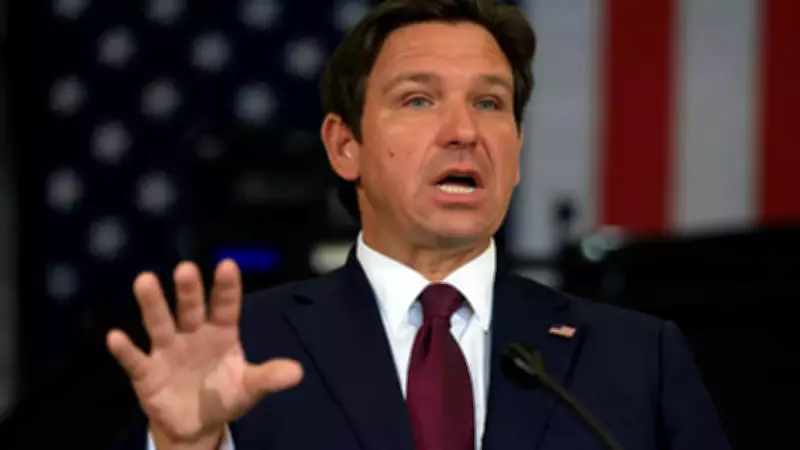
This decision follows earlier directives from Florida Governor Ron DeSantis, who in October of last year urged universities to enhance oversight regarding what he characterized as visa misuse within higher education institutions. Governor DeSantis argued that some universities were prioritizing the hiring of foreign workers over qualified American candidates who were available and capable of performing the same roles.
At that time, DeSantis explicitly stated that universities were "importing foreign workers on H-1B visas instead of hiring Americans who are qualified and available to do the job." Neither the governor's office nor the Board of Governors provided immediate commentary following the announcement of this new regulation.
The H-1B Visa Program's Role in Academic Hiring
The H-1B visa program has historically served as a critical pathway for American universities to attract global talent. Under existing federal regulations, the United States allocates 65,000 H-1B visas annually, with an additional 20,000 visas reserved for applicants holding advanced degrees from American institutions. These visas typically permit professionals to work in the country for periods ranging from three to six years.
Academic institutions heavily depend on this program to recruit professors, researchers, and technical specialists in disciplines where domestic expertise may be limited. Data from the United States Citizenship and Immigration Services (USCIS) reveals that more than 600 individuals received H-1B approvals through Florida's 12 public universities in the previous year alone.
Broader Immigration Policy Landscape
Florida's decision coincides with wider transformations in U.S. immigration policy. Last year, former President Donald Trump implemented a substantial $100,000 fee for new H-1B visa applicants as part of a broader administration initiative to tighten immigration regulations. This increased financial burden has already generated concerns among universities that rely on international researchers and faculty members.
For many educational institutions, recruiting talent from abroad necessitates balancing research priorities with increasingly complex and costly visa requirements, creating additional administrative and financial challenges.
Potential Campus Implications
While the suspension appears limited in scope—affecting only new hires with a defined expiration date—even temporary restrictions can significantly alter academic hiring patterns. Universities typically plan faculty recruitment several years in advance, and departments in science, engineering, and technology fields depend extensively on global talent pools. A pause in visa-based hiring may consequently slow recruitment in specialized research areas.

Students may not observe immediate changes in classroom instruction, but over time, the composition of faculty and research teams could shift if international hiring becomes more constrained. For universities competing globally for top talent, even minor adjustments to visa policy can fundamentally reshape how academic departments develop and expand.
Future Developments to Monitor
The impact of this suspension will likely unfold gradually over the coming years. Key questions include:
- Whether this temporary policy will evolve into a longer-term hiring restriction
- How universities will adapt their recruitment strategies during this pause
- Whether similar restrictions might emerge in other states
American higher education has long relied on international scholars to sustain research excellence, innovation, and quality teaching. Decisions regarding who can participate in this system therefore carry consequences that extend well beyond university hiring offices, potentially affecting academic competitiveness, research output, and global educational partnerships.