Delhi University Students Rally Against UGC Equity Regulations
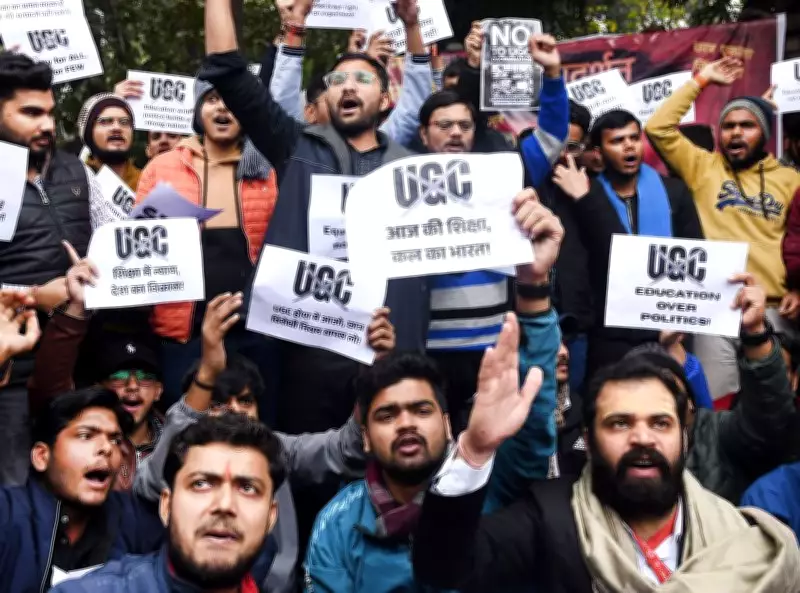
In a significant display of student activism, learners from Delhi University have taken to the streets to voice their opposition to the recently introduced equity regulations by the University Grants Commission. The protest, which has garnered widespread attention, highlights growing tensions between educational institutions and regulatory bodies over governance and academic independence.
Core Issues Driving the Student Movement
The primary grievances articulated by the protesting students revolve around perceived infringements on institutional autonomy and academic freedom. According to participants, the UGC's equity regulations impose restrictive frameworks that could potentially undermine the university's ability to make independent decisions regarding curriculum development, faculty appointments, and administrative policies.
Students argue that these regulations may lead to excessive bureaucratic interference, thereby compromising the quality of education and research at one of India's premier universities. The demonstration has seen participants carrying placards and chanting slogans demanding greater consultation and transparency in the formulation of such policies.

Broader Implications for Higher Education
This protest is not merely an isolated incident but reflects broader concerns within India's higher education landscape. The UGC, as the apex regulatory body, plays a crucial role in maintaining standards across universities. However, the balance between regulation and autonomy remains a contentious issue.
The students' action underscores the need for a more collaborative approach to policy-making, where stakeholder inputs, especially from those directly affected, are given due consideration. The protest has also sparked discussions among academic circles about the evolving dynamics between regulatory authorities and educational institutions.
Response from University and Regulatory Bodies
While the protest continues, there has been no official statement from Delhi University administration regarding the students' demands. Similarly, the UGC has yet to respond publicly to the demonstration. Observers note that the outcome of this protest could set a precedent for how similar issues are addressed in other universities across the country.
The students have vowed to persist with their agitation until their concerns are acknowledged and addressed through meaningful dialogue. This situation highlights the active role of student communities in shaping educational policies and advocating for their rights within the academic framework.