Delhi University Inaugurates Carbon Garden to Tackle Air Pollution
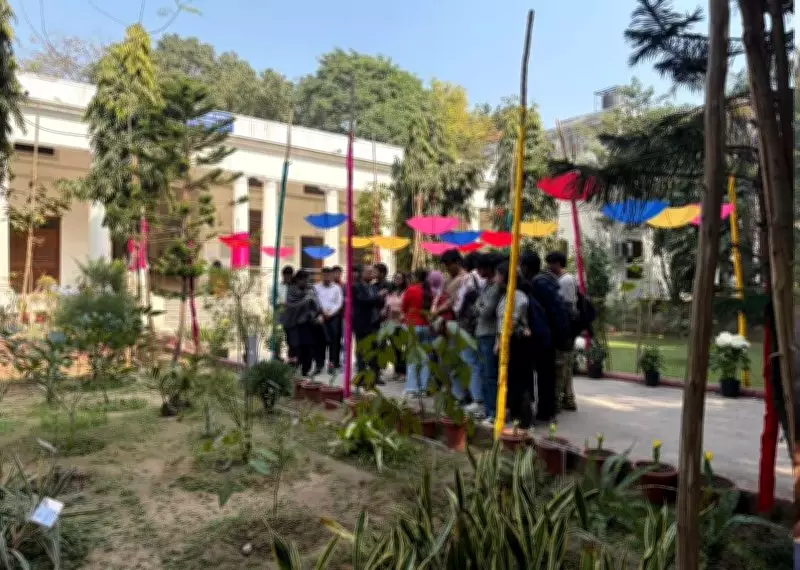
Delhi University has officially launched a carbon garden on its North Campus, marking a significant step in the fight against air pollution in the national capital. This innovative initiative aims to leverage natural processes to improve air quality and raise environmental awareness among students and the community.
Purpose and Implementation of the Carbon Garden
The carbon garden is designed to act as a carbon sink, utilizing specific plant species that are highly effective at absorbing carbon dioxide and other pollutants from the atmosphere. By sequestering carbon, the garden helps reduce the overall concentration of greenhouse gases, which are major contributors to air pollution and climate change. University officials have selected a diverse range of native trees and shrubs known for their high carbon absorption rates, ensuring the project's ecological sustainability.
In addition to its environmental benefits, the garden serves as an educational hub for students and researchers. It provides a hands-on learning environment where individuals can study carbon sequestration techniques, monitor air quality improvements, and engage in conservation activities. The university plans to integrate the carbon garden into its academic curriculum, offering workshops and research opportunities focused on environmental science and sustainability.

Broader Impact and Future Plans
This initiative is part of Delhi University's broader commitment to addressing environmental challenges, particularly in a city like Delhi, which frequently grapples with severe air pollution. The carbon garden not only contributes to cleaner air but also enhances the campus's green cover, promoting biodiversity and creating a healthier living space for students and staff.
Looking ahead, the university has outlined several future plans to expand the project:
- Increasing the number of carbon-absorbing plants across campus.
- Collaborating with local communities to replicate similar gardens in other parts of Delhi.
- Developing mobile applications for real-time air quality monitoring linked to the garden.
- Hosting public awareness campaigns to educate citizens on the importance of carbon sequestration.
By taking this proactive approach, Delhi University hopes to set a precedent for other educational institutions and urban areas to adopt similar green initiatives. The carbon garden represents a practical solution to air pollution, combining scientific research with community engagement to foster a more sustainable future.