India-EU Mobility Agreement Creates New Pathways for Students and Professionals
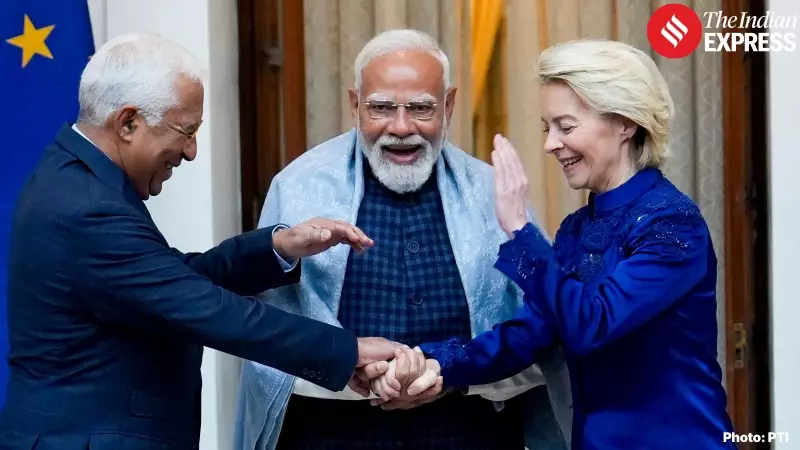
India and the European Union have finalized a landmark comprehensive mobility agreement that promises to transform opportunities for Indian students, workers, and professionals across Europe. This significant pact was established during high-level summit talks between Prime Minister Narendra Modi, European Commission President Ursula von der Leyen, and European Council President Antonio Costa.
Prime Minister Modi Hails Transformative Agreement
Following the summit, Prime Minister Narendra Modi emphasized the far-reaching implications of this agreement. "This pact will open up new opportunities in the European Union for Indian students, workers, and professionals," Modi declared in his media statement. He further highlighted the existing strong foundation of cooperation, noting, "We have a long-standing and extensive cooperation in science and technology. Today, we have decided to strengthen these important linkages further."
First-of-its-Kind Agreement at EU Level
Foreign Secretary Vikram Misri provided crucial context about the agreement's significance during a media briefing. "This is the first such mobility-related agreement that we are concluding at the EU level. For the EU, this is the first with any partner," he revealed, underscoring the pioneering nature of this bilateral arrangement.

The foreign secretary elaborated on the pact's comprehensive scope, explaining that it "will facilitate and streamline safe, regular migration, support skill development, and ease the movement of highly skilled workers, students, researchers, and seasonal workers."
Strategic Framework for Enhanced Cooperation
The agreement forms part of a broader strategic agenda designed to guide India-EU cooperation across multiple domains for the next five years. Prime Minister Modi articulated the agenda's importance, stating, "In a complex global environment, this agenda will provide clear direction, advance our shared prosperity, accelerate innovation, strengthen security cooperation, and deepen people-to-people ties."
Key Components of the Mobility Framework
The comprehensive framework includes several innovative initiatives:
- European Legal Gateway Office: A pilot one-stop hub providing information and support for worker movement, beginning with the ICT sector
- Education and Skills Dialogue: A new mechanism to promote skill development, facilitate qualification recognition, and support collaboration in higher and vocational education
- Circular Migration Pathways: Structured channels for highly skilled workers, students, researchers, and seasonal workers in shortage occupations
- Combating Irregular Migration: Enhanced cooperation to address unauthorized migration while promoting regular pathways
Building on Existing Partnerships
This EU-level agreement complements existing bilateral mobility partnerships India maintains with several European nations, including France, Germany, and Italy. The joint statement from leaders emphasized that education and people-to-people connections have become essential components of the India-EU strategic partnership, reflecting the growing importance of human capital exchange in international relations.
Legal and Implementation Framework
The leaders expressed approval for the completion of the comprehensive framework of cooperation on mobility, which carefully aligns with the national competences of EU member states, India's sovereign priorities, and the domestic legislation of both parties. This legal alignment ensures the agreement's practical implementation while respecting each party's regulatory frameworks.
The India-EU mobility pact represents a significant milestone in international educational and professional exchange, creating structured pathways for Indian talent to access European opportunities while fostering deeper bilateral ties through enhanced people-to-people connections.