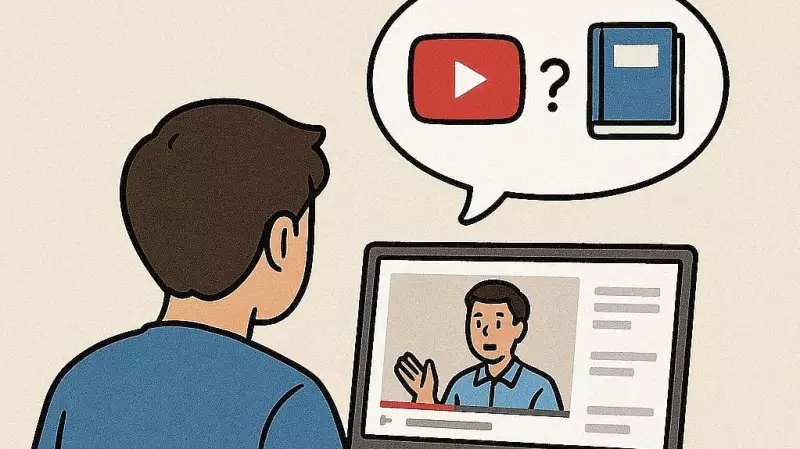
A significant shift is underway in how Indian students approach their studies. The traditional textbook, long the cornerstone of education, is facing a formidable challenger: YouTube. Recent insights and studies highlight a growing preference among students for video-based learning platforms, sparking a crucial debate about the most effective tools for knowledge acquisition in the digital age.
The Digital Classroom: Why Students are Turning to YouTube
A revealing survey indicates that a substantial 73% of Indian students now prefer using YouTube over conventional textbooks for understanding their academic subjects. This trend is not merely about convenience; it's driven by several perceived advantages. Students report that video explanations, often delivered by popular educators or content creators, help simplify complex topics. The visual and auditory nature of videos can make abstract concepts in science or mathematics more tangible and easier to grasp.
Furthermore, the on-demand nature of YouTube allows for self-paced learning. A student can pause, rewind, and rewatch a difficult explanation until it clicks—a level of control rarely possible in a traditional classroom or with a static book. The platform also offers a vast diversity of perspectives. If one teacher's explanation doesn't resonate, countless other videos on the same topic are just a click away. This accessibility is particularly valued for competitive exam preparation, where channels dedicated to JEE, NEET, and UPSC coaching have massive followings.

The Enduring Power of the Printed Page
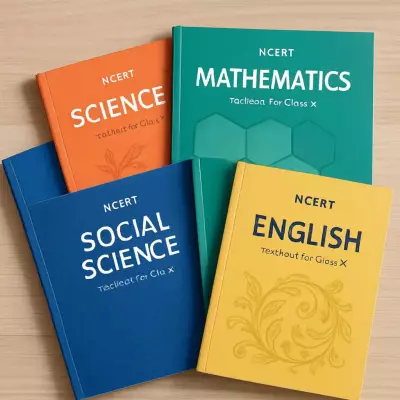
Despite the surge in digital learning, educators and experts caution against completely sidelining textbooks. They argue that textbooks provide a structured, curated, and reliable pathway through a syllabus. The information is vetted by academic boards and subject matter experts, ensuring accuracy and depth. Reading a textbook actively engages the brain in a different way, fostering critical thinking, concentration, and the ability to parse dense information—skills essential for higher education and professional life.
There is also a concern about the potential for distraction on platforms like YouTube. The very algorithm that suggests helpful educational videos can also lead students down rabbit holes of entertainment or misinformation. The passive consumption of video content, some argue, may not encourage the same level of analytical rigor as actively reading and annotating a text. The physicality of a book, free from notifications and pop-ups, offers a focused environment for deep study.
Finding the Middle Ground: The Hybrid Learning Model
The debate is increasingly moving towards integration rather than substitution. The most effective approach for modern education may be a hybrid model that leverages the strengths of both mediums. Textbooks can serve as the primary framework, providing the official curriculum and foundational knowledge. YouTube and other digital resources can then act as powerful supplements, offering alternative explanations, real-world applications, animations, and tutorials that bring static diagrams to life.
This model acknowledges that students have diverse learning styles—some are visual learners, while others are textual. A hybrid approach allows for personalized education. For instance, a student might read a chapter on cellular biology from a textbook and then watch a detailed video animation of mitosis to solidify their understanding. Educational institutions and teachers are beginning to recognize this, with many now recommending specific YouTube channels or creating their own video content to complement traditional teaching methods.
The future of Indian education lies not in choosing between YouTube and textbooks, but in intelligently combining them. The goal is to create a dynamic, engaging, and comprehensive learning ecosystem that prepares students not just for exams, but for a world where digital literacy and critical thinking are equally paramount.