West Bengal Central School Service Commission Initiates Fresh Teacher Recruitment Process
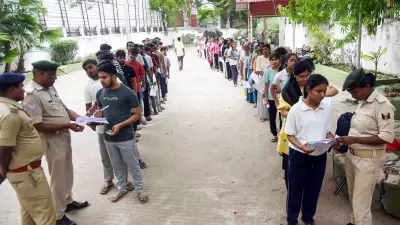
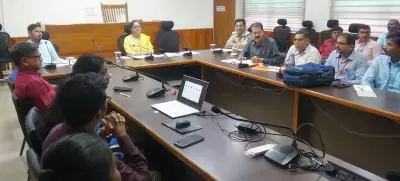
The West Bengal Central School Service Commission (WBCSSC) commenced a significant phase in its teacher recruitment drive on Tuesday by starting to issue recommendation letters to selected candidates for assistant teacher positions in classes 9 and 10 at state-run schools. This marks a crucial step in the state's efforts to rebuild its teaching workforce after a major legal setback.
Background: Supreme Court Order and the Cash-for-Jobs Scam
This recruitment initiative follows a Supreme Court order that invalidated the appointments of approximately 26,000 teachers and staff members from the 2016 SSC panel due to their involvement in a widespread cash-for-jobs scam. The court's decision necessitated a complete overhaul of the hiring process to ensure transparency and integrity in the selection of educators for West Bengal's public schools.
Phase One of the Recruitment Drive
In the initial phase of this fresh recruitment process, which began on Tuesday and will continue through Wednesday, the WBCSSC is issuing recommendation letters to a total of 182 candidates. On the first day alone, 70 candidates successfully received their letters. These recommendation letters are a precursor to the formal appointment letters that will be dispatched by the West Bengal Board of Secondary Education, enabling the selected individuals to assume their new teaching roles promptly.

Personal Stories from the Candidates
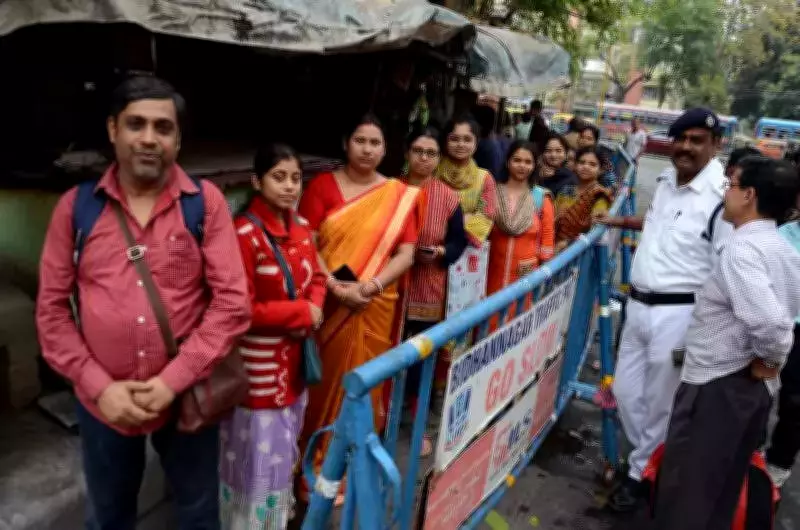
The recruitment has brought forth a mix of emotions among the candidates. Krishnavrittika Nath, who previously lost her job at a Raiganj school after eight years of service due to the Supreme Court ruling, expressed cautious optimism. "I was thrilled the last time. But as I lost my job after working for eight years, I am a bit apprehensive this time. One good thing is I have got a posting near my home in North 24 Parganas," she shared, highlighting the personal impact of the scandal.
For others, this represents a new beginning. Nadera Kalam, a resident of Rajarhat, is attempting the recruitment process for the first time. "I am eagerly waiting for the appointment letter," she stated, reflecting the anticipation of many fresh candidates. Meanwhile, Tamalika Karmakar, another new applicant, advocated for inclusivity, suggesting, "Those who lost their jobs should be re-employed along with freshers like us."
Implications for West Bengal's Education System
This recruitment drive is not merely about filling vacancies; it is a critical step toward restoring credibility and stability in West Bengal's education sector. By adhering to stricter guidelines and transparent procedures, the state aims to prevent future scandals and ensure that qualified educators are placed in classrooms to benefit students across the region.
The process underscores the importance of ethical hiring practices in public institutions and serves as a reminder of the consequences of corruption. As the WBCSSC moves forward with subsequent phases, it will be essential to monitor the implementation and outcomes to gauge the long-term effectiveness of these reforms.