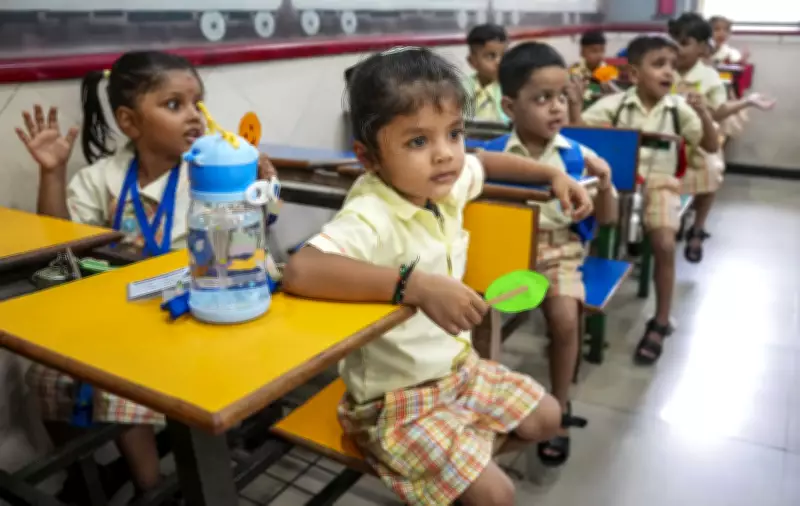
Tripura Greenlights Major Expansion of Early Childhood Education Network
The state government of Tripura has cleared a substantial expansion of its early childhood education infrastructure, approving the introduction of pre-primary units in 450 government schools. This initiative is scheduled to commence from the 2026–27 academic session, marking a significant escalation in efforts to integrate foundational learning into the formal school system.
Substantial Growth in Pre-Primary Facilities
The latest decision will elevate the total number of pre-primary facilities in government-run schools across Tripura to 695. This represents a remarkable scale of growth when considered against the historical baseline. Until 2018, the state had only nine such institutions. Since that time, 236 units were added incrementally, but the new rollout dramatically accelerates this trajectory of expansion.
With nearly 4,800 schools operating throughout the state, officials anticipate that this expansion will significantly deepen access to early education, particularly in remote and underserved areas where educational opportunities have traditionally been limited. Schools have also been directed to prepare for nursery admissions starting from the upcoming academic session, necessitating coordinated efforts among administrators, teachers, school management committees, parents, and local bodies.

National Education Policy Framework Driving the Shift
This expansion is firmly anchored in the National Education Policy (NEP), which positions early childhood care and education at the core of long-term learning outcomes. State officials have indicated that the move is designed not only to strengthen foundational skills among young learners but also to address enrollment gaps within government schools. By bringing children into the schooling system at an earlier stage, authorities expect to improve student retention rates and create a more stable and continuous academic progression.
Administrative Accountability and Monitoring Mechanisms
A robust monitoring framework has been integrated into the implementation plan to ensure administrative accountability. District Education Officers (DEOs) have been specifically tasked with providing comprehensive support to the identified schools and submitting regular progress reports on the rollout. The education department has further instructed schools to promptly report any operational issues to district authorities, signaling the establishment of a tighter monitoring structure aimed at preventing delays and ensuring smooth execution.
Recasting the Foundation of School Education in Tripura
Tripura's strategic move signifies a structural shift in the state's approach to early educational learning within the broader schooling system. Pre-primary education is being systematically mainstreamed at an unprecedented scale. While the success of this ambitious rollout will ultimately depend on the quality of its execution, it is evident that there is a clear and determined intention to reshape the entry point of formal schooling in Tripura, potentially setting a benchmark for other states to follow.