Teaching Takes a Backseat as Educators in Jalandhar Juggle Multiple Non-Academic Duties
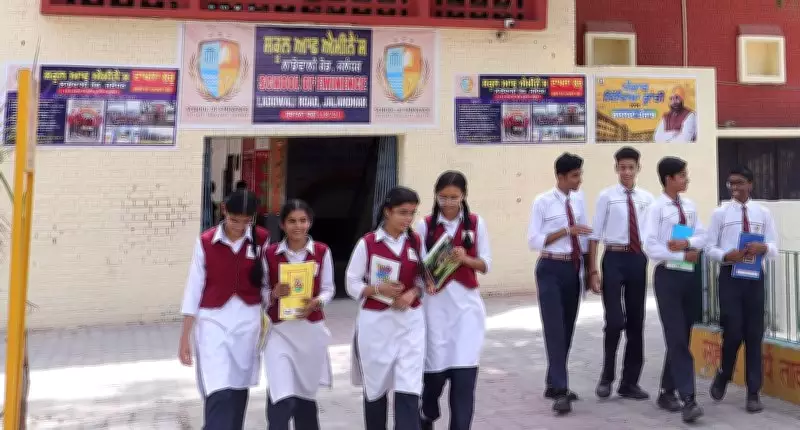
In Jalandhar, Punjab, a growing crisis is unfolding in the education sector as teachers find themselves increasingly burdened with non-academic responsibilities, diverting their focus from core teaching activities. This alarming trend is raising serious concerns about the quality of education and student learning outcomes in the region.
The Overwhelming Burden on Educators
Teachers across Jalandhar are reporting a significant increase in administrative and non-teaching tasks assigned to them by various government departments. These duties range from election-related work and census data collection to managing midday meal schemes and maintaining school infrastructure records. Many educators spend more time on paperwork and logistical chores than on actual classroom instruction, leading to widespread frustration and burnout.
Impact on Classroom Teaching and Student Performance
The diversion of teachers' time and energy away from academic responsibilities is having a direct and detrimental effect on student learning. With educators preoccupied with non-academic duties, lesson planning, student assessments, and personalized attention suffer. This situation is particularly concerning in government schools, where resources are already limited, and students often rely heavily on teacher guidance for academic success.

Parents and education activists in Jalandhar have voiced their worries, noting a decline in teaching quality and student engagement. The constant reassignment of teachers for non-academic work disrupts classroom continuity, making it difficult for students to maintain a consistent learning pace.
Systemic Issues and Government Policies
The root of this problem lies in systemic issues within the education administration. Government policies often mandate teacher involvement in various non-academic programs without providing adequate support or compensation. Teachers are frequently pulled out of classrooms for weeks at a time to fulfill duties such as election polling or disaster management training, leaving schools understaffed and students without proper instruction.
In Jalandhar, this practice has become so common that many schools operate with skeleton staff during peak non-academic duty periods. The lack of a clear policy to limit such assignments or hire dedicated personnel for administrative tasks exacerbates the situation, placing an unsustainable burden on teaching staff.
Calls for Reform and Teacher Support
Education unions and teacher associations in Punjab are advocating for urgent reforms to address this issue. Key demands include:
- Limiting non-academic duties to ensure teachers can focus on classroom teaching.
- Hiring separate administrative staff to handle data entry and logistical tasks.
- Providing fair compensation and recognition for teachers forced to take on extra responsibilities.
- Implementing policies to protect instructional time and prioritize student learning.
Experts emphasize that resolving this crisis is crucial for improving educational standards in Jalandhar and across Punjab. Without immediate intervention, the quality of education may continue to deteriorate, affecting future generations and the region's overall development.
The situation in Jalandhar highlights a broader national challenge in balancing teacher roles between academic and non-academic functions. As educators struggle to juggle multiple duties, the need for systemic change becomes increasingly urgent to safeguard the future of education.