Political Clash Over Education Policy: Tamil Nadu CM Slams CBSE Curriculum
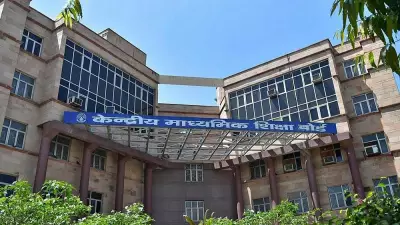
In a significant development that has ignited a fresh political debate on language and education, Tamil Nadu Chief Minister M K Stalin has launched a sharp critique against the Central Board of Secondary Education (CBSE), labeling its newly introduced curriculum as nothing more than an imposition of Hindi. The statement, made recently, has drawn immediate attention from educational and political circles across India, highlighting the ongoing tensions between regional linguistic pride and national educational frameworks.
Stalin's Accusation: A Direct Challenge to Central Policy
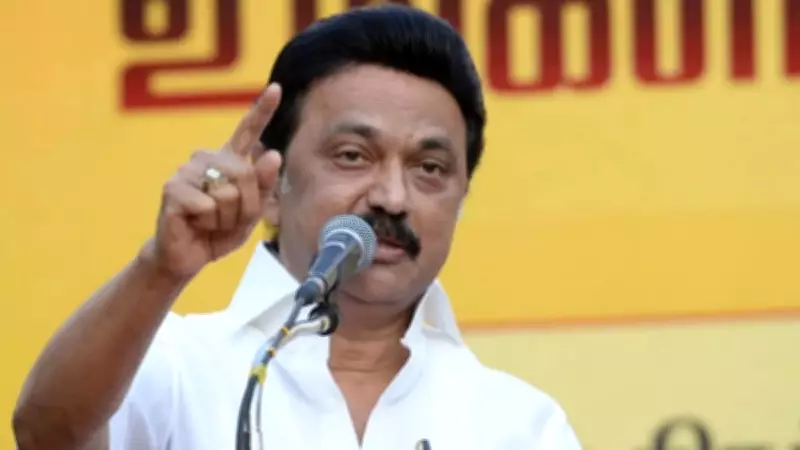
Chief Minister Stalin, a prominent leader of the Dravida Munnetra Kazhagam (DMK) party, asserted that the CBSE curriculum represents a covert effort to promote Hindi at the expense of regional languages, particularly Tamil. He argued that such moves undermine the linguistic diversity and cultural heritage of non-Hindi speaking states, echoing long-standing concerns in Tamil Nadu about perceived linguistic hegemony from the central government.
Stalin emphasized that this approach contradicts the principles of federalism and the rights of states to preserve their linguistic identities. His comments reflect a broader sentiment in Tamil Nadu, where language has historically been a sensitive and politically charged issue, often linked to regional autonomy and identity politics.

Union Education Minister's Rebuttal: Defending the National Education Policy
In a swift response to Stalin's allegations, Union Education Minister Dharmendra Pradhan defended the government's stance, clarifying that the National Education Policy (NEP) 2020 prioritizes the mother tongue as the medium of instruction. Pradhan stated that the NEP is designed to ensure every Tamil child can excel in their own glorious language, thereby fostering academic success and cultural pride.
Pradhan highlighted that the policy aims to empower students by allowing them to learn in their native languages, which he believes enhances comprehension and performance. He reiterated the government's commitment to promoting multilingualism and respecting India's linguistic diversity, denying any intent to impose Hindi through the CBSE curriculum.
Broader Implications for Education and Politics
This exchange underscores the complex interplay between education policy and regional politics in India. Key points from the debate include:
- The CBSE curriculum's alignment with NEP guidelines and its impact on regional languages.
- Historical context of language disputes in Tamil Nadu, dating back to anti-Hindi agitations.
- Potential effects on students' learning outcomes and cultural identity in non-Hindi regions.
- The role of central versus state governments in shaping educational content and language use.
As the discussion unfolds, it raises questions about how India balances national integration with regional linguistic rights. Both Stalin and Pradhan's positions reflect deeper ideological divides, with Stalin advocating for stronger state autonomy in education, while Pradhan emphasizes a unified national framework under the NEP.
Looking Ahead: Future of Language in Indian Education
The controversy is likely to influence upcoming educational reforms and political discourse. Stakeholders, including educators, parents, and policymakers, will be closely monitoring how this debate resolves, as it could set precedents for language policy in schools nationwide. The outcome may also affect the implementation of the NEP in states like Tamil Nadu, where resistance to Hindi imposition remains a potent political issue.
In conclusion, this clash between CM Stalin and Minister Pradhan highlights the enduring significance of language in India's educational landscape, with implications for cultural preservation, academic excellence, and federal dynamics.