In the landscape of Indian education, few symbols are as potent and familiar as the teacher's red pen. It has long been an instrument of authority, its marks capable of defining a student's day with a single tick or cross. However, a compelling argument is emerging for this tool to evolve from a marker of right and wrong to a catalyst for open-minded learning.
The Seductive Authority of the Red Pen
For generations, educators have wielded the red pen with a sense of definitive power. Language teachers, in particular, become so attuned to correcting errors that they notice them everywhere—from notebooks to public billboards. As noted by Delhi-based teacher Roopali Sinha in her piece on December 19, 2025, this pen often delivers a final verdict without inviting dialogue or dissent. It draws a sharp, unquestionable line, transforming teachers into what one might call "soldiers of the pen."
This authority is seductive and extends beyond the classroom. The metaphorical red pen is adopted by society, where those with power or resources use it to silently approve or disapprove of people, ideas, and actions. This tradition, as philosophers from Francis Bacon to Michel Foucault have examined, treats knowledge as a source of power, often creating and maintaining rigid social hierarchies.

A Stronger Tradition of Facilitation Over Authority
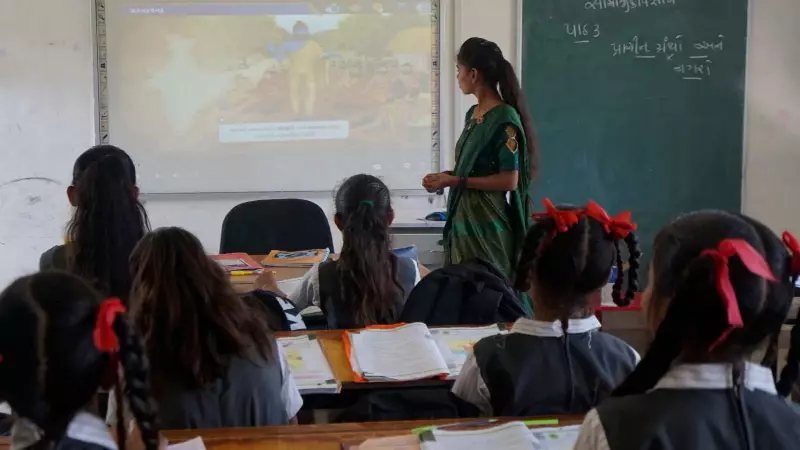
Alongside this dominant narrative, a smaller but resilient tradition has always existed. It consists of educators who consciously choose to replace power with core values. These teachers prioritize equality, curiosity, scientific thinking, and dignity. They see themselves not as authoritarian figures but as facilitators of learning. Their goal is to build an equal and respectful relationship with the learner, one that actively encourages questions and deep engagement.
This approach does not diminish the teacher's stature; instead, it deepens the genuine respect students hold for them. It asks a fundamental question: which educators are remembered with the most love and gratitude? Often, it is those who opened doors rather than shut them.
The Critical Role of Teachers in a Changing World
Today, with academia on the cusp of significant change, carrying forward this facilitative tradition is more urgent than ever. The role of the teacher has always been vital, but it is now more critical than ever. In an era where entire generations can be passively trained to conform, educators bear the responsibility of helping students see the light—to question, to disrupt complacency, and to think independently.
The red pen must transform from a gatekeeping device into a guiding instrument. Its purpose should not be to close minds but to open them to new possibilities and novel ways for students to discover both themselves and the world around them. The future of Indian education depends on this shift from unilateral correction to collaborative exploration.
As we move forward, the challenge and opportunity for teachers lie in using their tools—whether a red pen or a word of encouragement—to build a classroom culture rooted in mutual respect and intellectual freedom. This is the path to creating enlightened and confident future citizens for India.