Karnataka Minister Slams PU Lecturers' Boycott Threat as 'Blackmail'
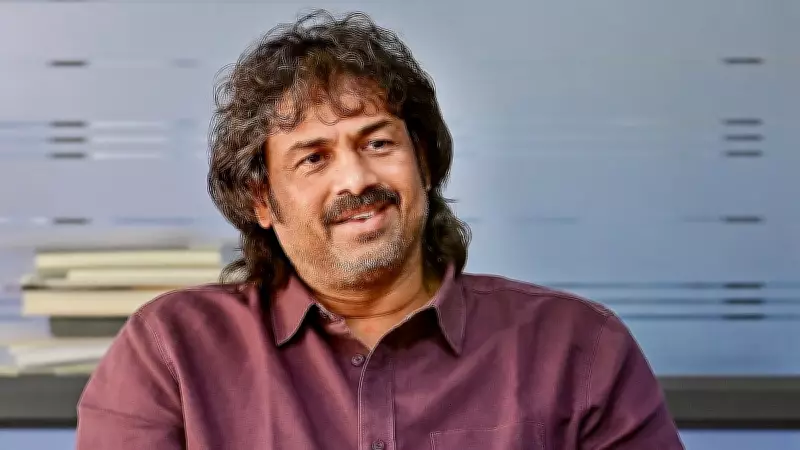
In a strongly worded statement, Karnataka's Primary and Secondary Education Minister, Madhu Bangarappa, has condemned the threat by Pre-University (PU) college lecturers to boycott the evaluation of answer scripts for the ongoing board examinations. The minister labeled the move as akin to blackmail, urging the educators to prioritize their responsibilities towards students.
Minister's Stern Warning to Lecturers
Madhu Bangarappa emphasized that the evaluation process is a critical duty that directly impacts the academic futures of thousands of students across the state. He stated that any attempt to disrupt this process through threats of boycott is unacceptable and undermines the integrity of the education system. The minister called on the lecturers to reconsider their stance and engage in constructive dialogue instead of resorting to what he termed as coercive tactics.
Background of the Lecturers' Grievances
The PU lecturers have reportedly threatened to boycott the evaluation work due to longstanding demands, which include issues related to pay scales, workload, and other service conditions. While the specific details of their grievances were not elaborated in the minister's remarks, it is understood that these concerns have been simmering for some time, leading to the current impasse.

Impact on Students and Examinations
The ongoing PU board examinations are a pivotal moment for students, with timely evaluation essential for the declaration of results and subsequent academic progression. A boycott by lecturers could delay results, causing anxiety and potential disruptions to higher education admissions. The minister highlighted this aspect, stressing that the welfare of students must be the top priority for all stakeholders in the education sector.
Call for Dialogue and Resolution
Despite his harsh criticism, Madhu Bangarappa expressed openness to addressing the lecturers' concerns through proper channels. He urged them to participate in discussions with the government to find amicable solutions, rather than taking steps that could harm students. The minister assured that the state government is committed to resolving issues faced by educators, but emphasized that such resolutions should not come at the expense of students' interests.
Broader Implications for Education in Karnataka
This incident sheds light on the ongoing challenges within Karnataka's education system, including resource allocation and teacher welfare. It underscores the need for sustainable policies to prevent similar conflicts in the future. The minister's firm stance aims to set a precedent against using evaluation boycotts as leverage, advocating for a more collaborative approach to problem-solving in the education sector.