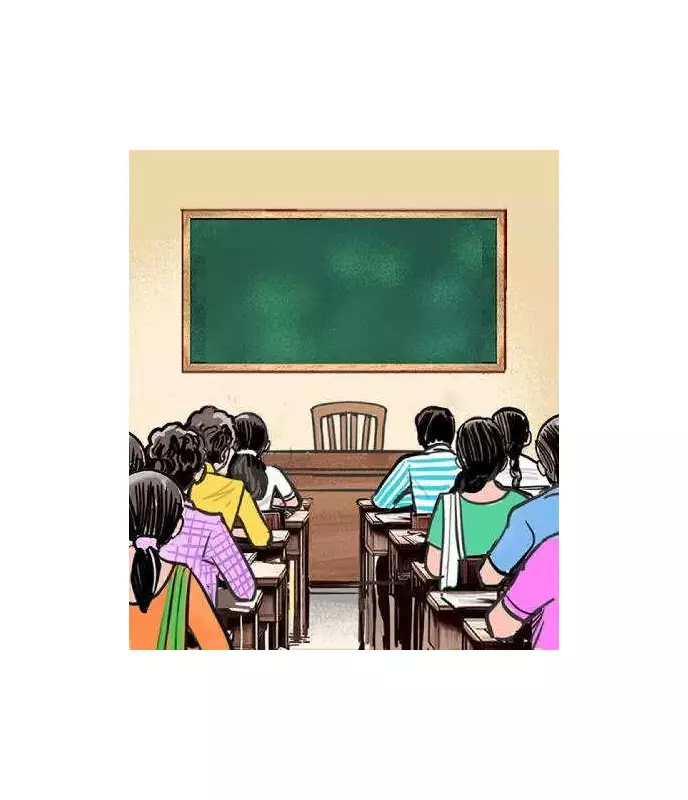
In a significant step towards standardising education for children with intellectual disabilities, the Maharashtra government has issued a directive making a common curriculum and assessment framework compulsory for all special schools across the state. This policy, aimed at over 500 institutions, seeks to bring uniformity, quality, and accountability to the educational landscape for some of the state's most vulnerable students.
A Framework for Uniformity and Quality
The decision was formalized through a Government Resolution (GR) released on Friday by the Persons with Disabilities Welfare Department. The core objective is to establish structured learning processes, consistent Individualised Education Programmes (IEPs), and a system for the systematic tracking of student development. Maharashtra is now among the pioneering states in India to enforce such a comprehensive mandatory framework for special education.
The GR mandates the adoption of the Disha Abhiyan curriculum, a framework launched six years ago through a collaboration between the Jai Vakeel Foundation and the state's commissionerate for disability welfare. This curriculum has received certification from the National Institute for the Empowerment of Persons with Intellectual Disabilities and has been formally validated by the department.

Parental Involvement and Holistic Development
A crucial and empowering aspect of the new mandate is the compulsory involvement of parents. The government has directed that at least one parent must participate in designing their child's education plan at the start of the academic year. This ensures that learning goals are aligned with the child's home environment and promotes holistic development.
Explaining the rationale, Department Secretary Tukaram Mundhe stated that the initiative is designed to inject transparency and accountability into educational interventions. "The programme primarily focuses on individualised education and therapeutic plans. Students will be assessed at the beginning of every academic year, after which goals for both educational and therapeutic interventions will be defined," Mundhe told TOI.
He further elaborated that progress will be meticulously monitored throughout the year, with reports accessible to parents via a dedicated digital portal. Mundhe emphasised that this outcome-oriented approach will enhance students' Activities of Daily Living (ADL) and described the students as "persons with different abilities and determination."
Implementation and Expert Reaction
As per the GR, all special schools in the state must be onboarded onto the Disha portal by government officials. The IEP must be prepared within one month of the academic year's start for existing students and within a month or two for new enrolments, following consultations with parents, guardians, and therapists. The plan must outline goals for both school and home settings.
For Individualised Therapeutic Plans (ITPs), which cover areas like speech-language therapy and occupational therapy, student assessments will determine specific needs in domains such as social behaviour. The GR also warns of penalties for non-compliance, including the stoppage of grants or even cancellation of a school's registration.
Education experts have welcomed the move. Rekha Vijayakar, Senior Director at ADAPT, called it a great step towards uniformity. However, she also urged the government to focus on inclusivity in mainstream schools. "The policy has been in force since 2006, but schools are not receptive, mainly because teachers are not trained for an inclusive classroom," Vijayakar noted, highlighting the need for broader systemic change.
This landmark directive by the Maharashtra government sets a precedent for other states to follow, aiming to create a more equitable, structured, and empowering educational ecosystem for children with intellectual disabilities.