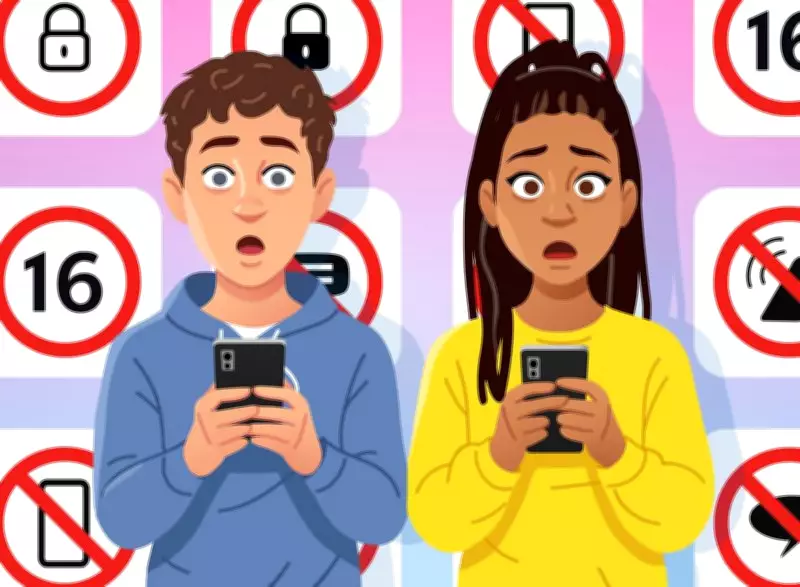
Why Restricting Social Media for Teens Is Only Half the Conversation
In recent years, the debate over social media use among teenagers has intensified, with many parents and educators advocating for strict limits or outright bans. While such measures aim to protect young minds from potential harms like cyberbullying, addiction, and mental health issues, experts now caution that focusing solely on restriction misses a crucial part of the equation. This approach, they argue, is akin to treating a symptom without addressing the underlying cause.
The Limitations of Restrictive Measures
Restricting social media access for teens often involves setting time limits, monitoring accounts, or even prohibiting use entirely. These actions are well-intentioned, driven by concerns over the negative impacts documented in numerous studies. For instance, excessive screen time has been linked to sleep disturbances, anxiety, and decreased academic performance. However, critics point out that such restrictions can backfire, leading to secretive behavior, rebellion, or a lack of preparedness for the digital world.
Moreover, in an era where social media is deeply integrated into daily life, complete avoidance is increasingly impractical. Teens use these platforms not just for entertainment but for social connection, educational resources, and creative expression. By imposing harsh limits without context, adults risk alienating young people and failing to equip them with the skills needed to navigate online spaces responsibly.

The Need for Digital Literacy and Open Dialogue
Instead of relying solely on restrictions, experts emphasize the importance of fostering digital literacy and open communication. Digital literacy involves teaching teens how to critically evaluate online content, protect their privacy, recognize misinformation, and engage in positive interactions. This proactive approach empowers them to make informed decisions, rather than simply obeying rules out of fear or obligation.
Open dialogue between parents, educators, and teens is equally vital. By discussing the benefits and risks of social media openly, adults can build trust and guide young people toward healthy habits. This might include setting collaborative boundaries, such as agreeing on screen-free times or discussing what constitutes appropriate online behavior. Research suggests that teens who feel heard and supported are more likely to develop balanced social media use and seek help when needed.
Balancing Protection with Preparation
The conversation around teen social media use must evolve to balance protection with preparation. While some level of restriction may be necessary, especially for younger adolescents, it should be part of a broader strategy that includes education and support. Schools can play a key role by incorporating digital citizenship into curricula, while communities can offer workshops for families.
Ultimately, the goal is not to shield teens from social media entirely but to prepare them for a world where it is ubiquitous. By combining sensible limits with robust digital literacy and ongoing communication, we can help teenagers harness the positive aspects of social media while mitigating its risks. This holistic approach ensures that the conversation moves beyond mere restriction to foster resilience and responsibility in the digital age.