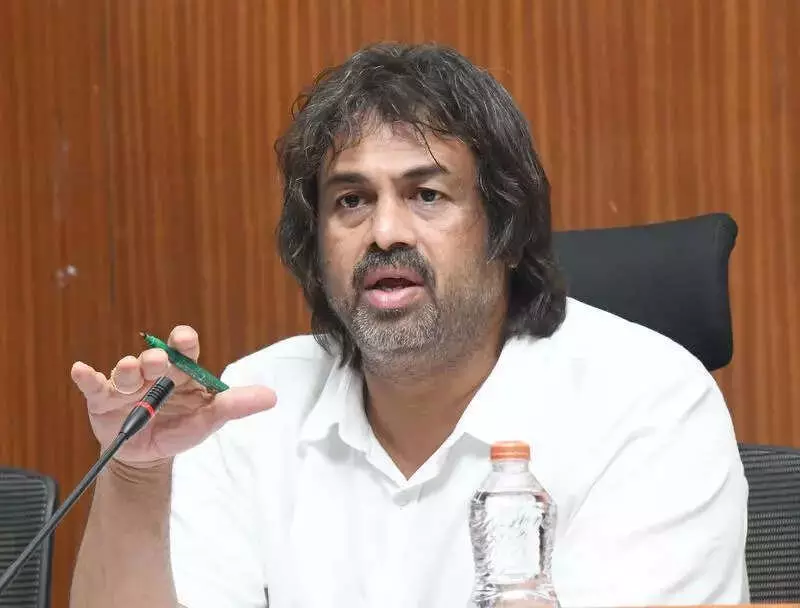
The Karnataka government is confronting a severe crisis in its education sector, with a staggering shortage of teachers plaguing its government-run schools. State School Education and Literacy Minister Madhu Bangarappa disclosed in the Assembly on Thursday that the state faces a significant deficit of educators, raising serious concerns about teacher-student ratios and the quality of instruction.
Scale of the Teacher Vacancy Crisis
According to the minister's written reply to a starred question from BJP MLA Harish Poonja, the numbers paint a grim picture. For the state's 41,088 government primary schools, a total of 1,78,935 teaching posts have been sanctioned. However, only 1,33,345 of these positions are currently filled, leaving a massive 45,590 posts vacant.
The situation in high schools is similarly dire. Karnataka has 5,024 government high schools with 44,144 sanctioned teaching posts. Of these, 32,010 are occupied, resulting in a shortfall of 12,134 teachers. This widespread vacancy highlights a growing systemic challenge in staffing the state's public education system.

Immediate Measures: Relying on Guest Teachers
To address this acute shortage and prevent disruption to students' education, the state government has taken an immediate stop-gap measure. For the academic year 2025–2026, a total of 51,000 guest teachers have been appointed. This includes 40,000 guest teachers for primary schools and 11,000 for high schools.
Minister Bangarappa confirmed that these guest teachers will begin their duties from the next academic session. He also added that special educators have been appointed to provide necessary guidance to students with disabilities.
Debate in the Assembly: Salaries and Nutrition Schemes
The discussion in the Assembly brought additional issues to light. MLA Harish Poonja pointed out that the salaries paid to guest lecturers are substantially lower compared to their permanent counterparts. In response, Minister Bangarappa stated that their salaries have been increased by Rs 2,000.
Another point of contention was the government's nutrition scheme. Poonja highlighted that the cost of eggs and bananas provided to children under the scheme had risen from Rs 5 to Rs 7.5 per egg. While the state government's sanctioned amount remained unchanged, the burden of providing these items daily fell on school staff.
In reply, the minister informed the house that a renowned charitable organisation has agreed to provide Rs 1,591 crore to fund eggs for children in government schools. When Poonja raised concerns about a cancer scare linked to egg consumption, Health Minister Dinesh Gundu Rao clarified that there was no need for panic. He explained that in 2024, 147 egg samples were tested, and only one failed due to the use of banned antibiotics by a single company.
The revelations underscore the multifaceted challenges facing Karnataka's school education system, from a deep staffing crisis to the implementation of welfare schemes, demanding comprehensive and sustainable solutions from the state administration.