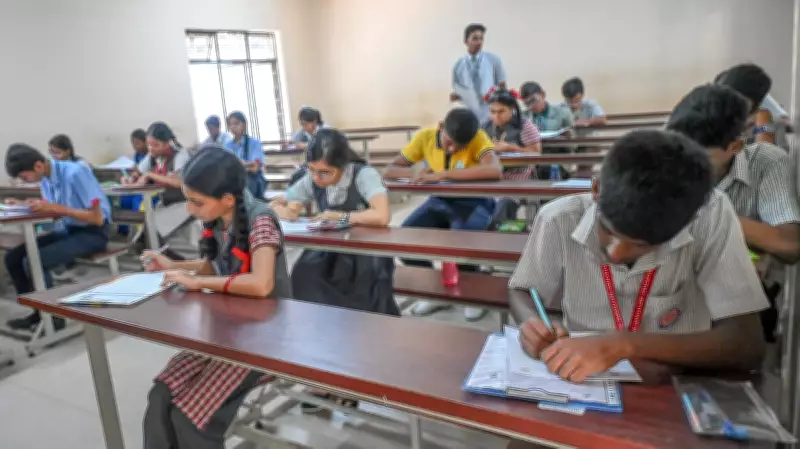
Karnataka SSLC Education Minister Stands Firm on Third Language Exam Standards
In a decisive move, Karnataka's Education Minister for the Secondary School Leaving Certificate (SSLC) has categorically rejected a plea for the provision of grace marks in the third language examination. This decision underscores the state government's commitment to maintaining rigorous academic standards and ensuring fairness across all board assessments.
Background and Context of the Plea
The plea for grace marks emerged from concerns among certain student groups and educational stakeholders regarding the difficulty level of the third language paper in the recent SSLC exams. Advocates argued that additional marks could help mitigate challenges faced by students, particularly those from non-native language backgrounds or with limited access to quality language instruction.
However, the minister has emphasized that such measures could compromise the integrity of the evaluation process. The rejection is based on the principle that academic assessments must reflect true student proficiency without artificial inflations.

Minister's Rationale and Official Statement
In an official statement, the minister clarified that the Karnataka Secondary Education Examination Board (KSEEB) follows a standardized and transparent marking scheme designed to evaluate students objectively. Introducing grace marks for a specific subject could set a problematic precedent, potentially leading to demands for similar concessions in other papers, the minister noted.
Furthermore, the decision aligns with broader educational policies aimed at enhancing language skills among students. The third language component is integral to the SSLC curriculum, promoting multilingualism and cultural awareness in Karnataka's diverse society.
Implications for Students and the Education System
This rejection has significant implications:
- Academic Integrity: Upholds the credibility of SSLC exams as a reliable measure of student achievement.
- Student Preparedness: Encourages students to focus on comprehensive learning rather than relying on compensatory marks.
- Policy Consistency: Reinforces the state's stance against ad-hoc changes in examination norms.
Education experts have largely supported the minister's decision, highlighting that grace marks, while well-intentioned, can dilute educational outcomes and hinder efforts to improve teaching methodologies. Instead, they recommend targeted interventions such as additional language support programs and teacher training to address underlying issues.
Looking Ahead: Future Measures and Reforms
The Karnataka government has indicated that it will continue to monitor the performance in third language exams and explore constructive reforms. Potential initiatives include:
- Enhancing language teaching resources in schools.
- Providing remedial classes for struggling students.
- Reviewing the curriculum to ensure it is age-appropriate and engaging.
By rejecting the grace marks plea, the minister has sent a clear message about prioritizing long-term educational quality over short-term fixes. This approach aims to foster a more robust and equitable learning environment for all SSLC aspirants in Karnataka.