The Growing Divide in India's AI Education Landscape
India stands at a crucial crossroads in educational technology as artificial intelligence transforms global learning systems. While AI education is no longer a futuristic concept, the country faces a significant challenge in ensuring equitable access to this knowledge across its diverse school system.
According to education expert Namesh Killemsetty, whose analysis was published on November 20, 2025, the real test for India lies not in introducing AI curriculum but in delivering it fairly to students from all socioeconomic backgrounds.
The Current State of AI Learning in Indian Classrooms
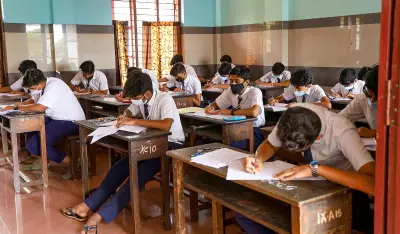
The integration of artificial intelligence into India's education system has begun, but its implementation varies dramatically between urban and rural institutions, as well as between private and government schools. This disparity creates what experts call a "digital learning divide" that could have long-term consequences for India's technological workforce.

Wealthier private schools in metropolitan areas are rapidly adopting AI courses, coding classes, and machine learning workshops. Meanwhile, many government schools and rural institutions struggle with basic digital infrastructure, let alone advanced AI education tools.
Consequences of Unequal Access to Technology Education
This growing gap in AI education threatens to widen existing socioeconomic disparities. Students with access to artificial intelligence training gain significant advantages in higher education opportunities and future career prospects, particularly in technology-driven fields.
The situation creates a self-perpetuating cycle where privileged students secure better opportunities while underprivileged learners fall further behind in the digital economy. This could ultimately impact India's position in the global technology landscape and its ability to develop homegrown AI talent.
Killemsetty emphasizes that addressing this imbalance requires coordinated efforts from educational policymakers, technology companies, and local communities. The solution involves not just curriculum development but also infrastructure investment, teacher training, and community awareness programs.
As India continues its digital transformation journey, ensuring equal access to AI education becomes not just an educational priority but a national imperative for inclusive growth and technological leadership.