Karnataka MLC Basavaraj Horatti Advocates for Retention of Old Third Language System
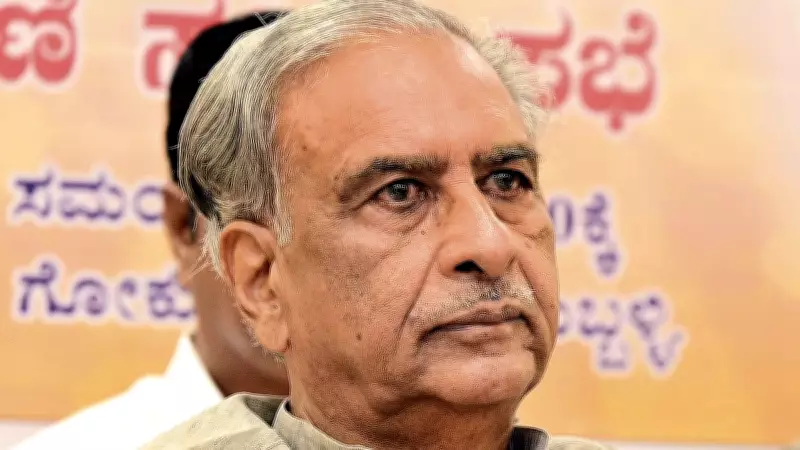
In a significant development concerning education policy in Karnataka, Member of Legislative Council (MLC) Basavaraj Horatti has written a formal letter to Chief Secretary Shalini Rajneesh, urging the state government to retain the existing third language system in schools. The communication, dated recently, highlights growing concerns over potential changes to the linguistic curriculum framework.
Concerns Over Proposed Changes to Language Formula
Horatti, a seasoned educationist and political figure, has articulated strong reservations about any modifications to the current three-language formula implemented in Karnataka's educational institutions. In his detailed correspondence, he emphasized that altering this long-standing system could inadvertently lead to negligence among children during their language acquisition phase.
The MLC argued that the established framework, which typically includes Kannada, English, and a third language (often Hindi, Sanskrit, or another regional language), has proven effective in fostering multilingual competence while preserving cultural heritage. He warned that hastily introduced changes might disrupt this balance, potentially compromising students' linguistic development and academic performance.

Potential Impact on Student Learning Outcomes
Horatti's letter delves into the pedagogical implications of revising the language policy. He pointed out that children, especially in their formative years, require a stable and consistent learning environment to master multiple languages effectively. Any abrupt shift in the curriculum, he contended, could confuse students and dilute the quality of language education, ultimately affecting their overall cognitive and communicative skills.
Furthermore, the MLC highlighted that the old system has been instrumental in promoting linguistic diversity and inclusivity across Karnataka. By maintaining it, the state can continue to support students from various linguistic backgrounds, ensuring equitable access to education while upholding the principles of the three-language formula as envisioned in national education policies.
Call for Deliberate Policy Review
In his appeal to Chief Secretary Shalini Rajneesh, Horatti called for a thorough and consultative review process before implementing any alterations to the third language policy. He stressed the importance of involving educators, linguists, and community stakeholders in discussions to assess the potential consequences and explore alternatives that align with Karnataka's educational goals.
The letter underscores a broader debate on language education in India, where states often grapple with balancing regional linguistic identities with national and global communication needs. Horatti's intervention adds a critical voice to this discourse, advocating for caution and preservation of proven systems to safeguard children's learning interests.
As the Karnataka government considers this input, stakeholders await further developments, hoping for a resolution that prioritizes student welfare and educational excellence while respecting linguistic traditions.