Haryana Faces Education Emergency as 5.5 Lakh Students Drop Out in a Year
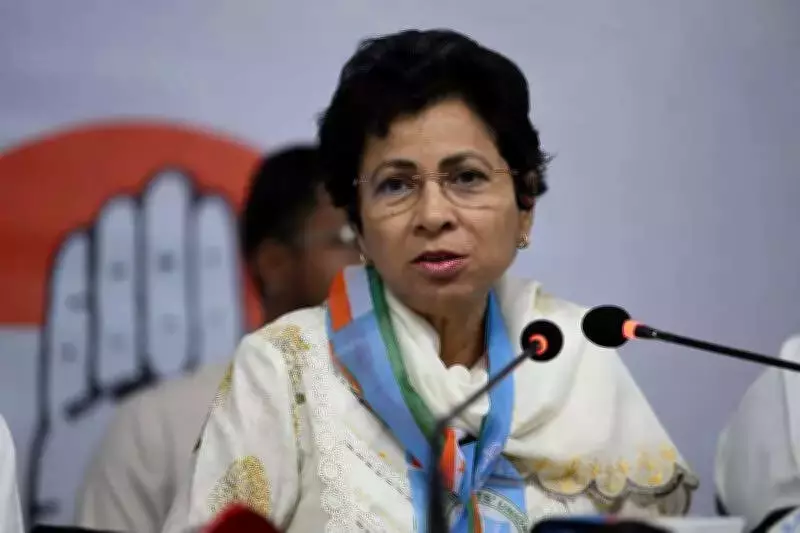
Sirsa MP Kumari Selja has sounded a dire alarm over the escalating student dropout crisis and the crumbling state of the education system in Haryana. She emphasized that a staggering number of students are being compelled to abandon their studies prematurely, signaling a critical failure in the state's educational framework.
Alarming Statistics Reveal Widespread Dropouts
Citing data from the Haryana Directorate of Education, Selja disclosed that nearly 5.5 lakh students dropped out of school within a single year. This includes approximately 2.58 lakh students from government schools and around 2.91 lakh students from private institutions, highlighting a pervasive issue across all educational sectors.
Root Causes of the Crisis
Selja identified multiple severe factors driving this trend. "The lack of higher and senior secondary schools in rural areas forces students to travel long distances, compounded by economic hardships and family migration for work," she explained. Additionally, a lack of parental awareness about education's importance exacerbates the problem.

Girls are disproportionately affected, with many families halting their daughters' education due to distant schools, inadequate transport, and safety concerns. Selja also pointed to the Chirag Yojana, a government scheme allowing economically weaker children to attend private schools, as evidence of the weaker state of public schools.
Call for Government Action
According to Selja, the government's primary duty is to strengthen public schools and ensure quality education, enabling students from poor and Scheduled Caste backgrounds to compete fairly in exams. She urged authorities to take the dropout issue seriously, especially for girls, and demanded:
- Increase the number of higher and senior secondary schools in rural areas.
- Provide safe and reliable transport facilities for students.
This crisis underscores an urgent need for systemic reforms to safeguard Haryana's educational future and prevent further student disengagement.