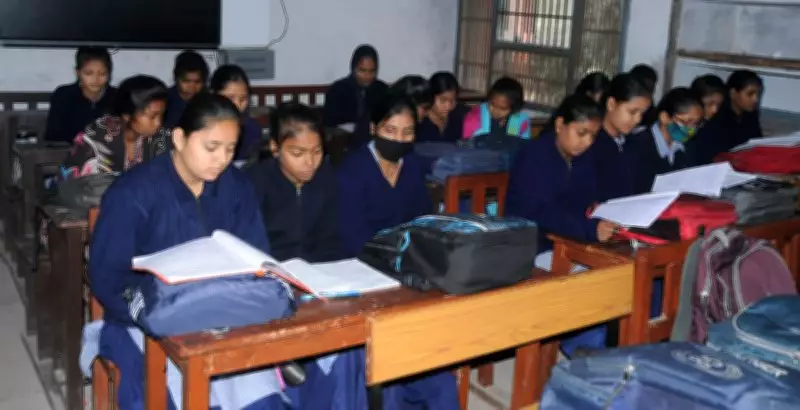
Haryana's Equal Education Scheme Faces Limited Private School Engagement
The Haryana government's ambitious equal education scheme, designed to bridge educational disparities, has encountered a notably lukewarm response from private schools across the state. According to recent reports, only slightly more than 1,100 private educational institutions have stepped forward to participate in this initiative. These schools have collectively offered approximately 47,000 seats, which are available for students ranging from Classes 6 to 12. This development underscores the significant challenges and hesitancy among private sector educators in aligning with government-led educational reforms.
Scope and Scale of Participation
The scheme, which aims to promote equitable access to quality education, has seen participation that falls short of expectations given the large number of private schools operating in Haryana. The offered 47,000 seats represent a fraction of the potential capacity, suggesting that many institutions are either reluctant or face barriers to joining the program. This limited engagement raises questions about the scheme's appeal and the practical hurdles private schools might be encountering, such as administrative burdens or concerns over autonomy.
Implications for Educational Equity
The tepid response from private schools could impact the scheme's overall effectiveness in achieving its goal of equal education opportunities. With fewer seats available, students from disadvantaged backgrounds may find it harder to secure placements in private institutions, potentially perpetuating existing educational inequalities. This situation highlights the need for the government to reassess its outreach strategies and possibly introduce incentives or support mechanisms to encourage broader participation.

Government's Role and Future Steps
Authorities in Haryana are now tasked with addressing the gaps in private school involvement to ensure the scheme's success. This may involve:
- Enhanced communication to clarify the benefits and requirements of the scheme.
- Financial incentives or subsidies to offset any perceived costs for private schools.
- Streamlined processes to reduce bureaucratic hurdles for participating institutions.
As the initiative moves forward, monitoring and feedback from both private schools and the community will be crucial in refining its implementation and expanding its reach across the state.