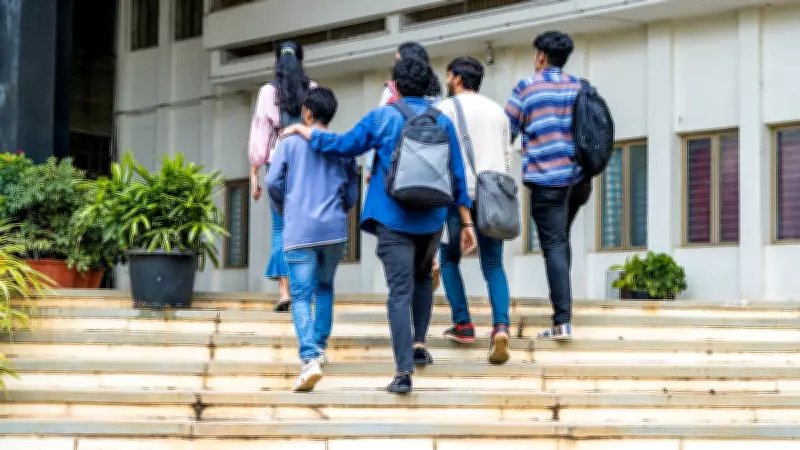
First-year pre-university (PU) science seats have been filled at many private colleges in Karnataka, leaving students anxious about their future. The situation has been further compounded by the record pass percentage of 94.1 percent in the SSLC examinations this year, leading to increased competition for limited seats.
Student Concerns
Many students and parents are worried about the availability of seats in science streams, especially in private colleges known for their quality education. The surge in SSLC pass rates has resulted in a higher number of applicants than available seats, causing uncertainty among those who have not yet secured admission.
Government Assurance
The Department of Pre-University Education has stepped in to allay these fears. Officials have stated that there is no cause for concern and that adequate arrangements are being made to accommodate all eligible students. The department is working closely with colleges to ensure that no student is left without a seat.

In a statement, a senior official from the department said, “We understand the anxiety among students and parents. However, we have a robust system in place to manage admissions. Students need not panic as we are monitoring the situation closely.”
Measures Being Taken
The department is considering several measures to address the seat crunch, including:
- Increasing the intake capacity in existing colleges
- Encouraging new colleges to offer science streams
- Facilitating transfers to colleges with vacant seats
Additionally, the department has advised students to explore options in government and aided colleges, which also offer quality education in science streams.
Advice for Students
Students are urged to remain calm and check for updates on the official website of the Department of Pre-University Education. They can also contact the department's helpline for assistance with admissions. “We are committed to ensuring that every student who wishes to pursue science gets a seat,” the official added.
The record pass percentage in SSLC has been attributed to simplified question papers and lenient evaluation, but it has also created a bottleneck in higher education admissions. The department is confident that the current challenges will be resolved soon.