Eid-ul-Fitr 2026: Nationwide School Holiday Expected as Ramadan Culminates
As the sacred month of Ramadan advances, educational institutions throughout India are actively preparing for one of the most significant religious observances in the Islamic calendar. Eid-ul-Fitr, the joyous festival that marks the conclusion of a month-long fast, is anticipated to bring a nationwide school holiday around March 20 or March 21, 2026, with the exact date contingent upon the sighting of the crescent moon.
A Sacred Month Culminates in Celebration
Ramadan is revered as one of the holiest periods in the Islamic calendar, during which Muslims abstain from food and drink from dawn until sunset. This time is dedicated to prayer, reflection, and acts of charity, fostering spiritual growth and community solidarity.
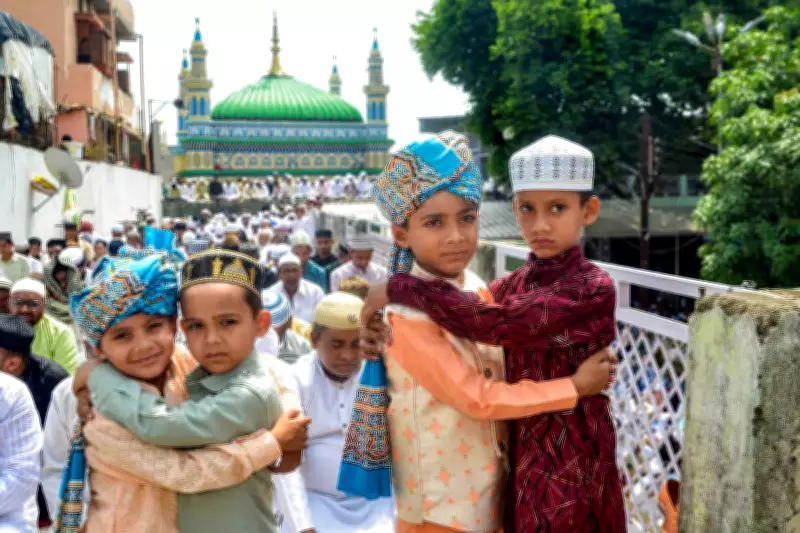
The culmination of this fasting period is celebrated as Eid-ul-Fitr, also affectionately known as Meethi Eid in India. The day typically commences with special congregational prayers held at mosques and open areas, followed by family visits, festive meals, and the preparation of traditional sweets like sewaiyan. In educational contexts, Eid-ul-Fitr is recognized as a public holiday in the academic calendars of various states, reflecting its cultural and religious importance.

Eid-ul-Fitr 2026: Expected School Holiday Details
Across India, most schools and colleges have traditionally declared a public holiday for Eid-ul-Fitr. For the upcoming year of 2026, the majority of educational institutions have announced plans to observe the holiday on March 21, while some may opt for March 20, pending confirmation from lunar sightings. Academic calendars often incorporate flexibility to accommodate such variations, as festival dates are not finalized until the moon is sighted.
In metropolitan cities, schools with structured annual calendars typically announce the holiday date in advance, with final notifications issued a few days before the festival to ensure alignment with actual observance.
Why the Eid Date Changes Annually
Unlike the Gregorian calendar used for civil purposes, Islamic festivities follow the Hijri lunar calendar, which is based on the moon's cycles. The start of each month, including the end of Ramadan, is confirmed only after the crescent moon is observed. This results in Eid-ul-Fitr occurring 10-11 days earlier each year according to the Gregorian calendar, leading to annual variations in the celebration date and sometimes differences across locations.
Due to this tradition, schools and colleges usually confirm the holiday shortly before Eid to ensure it coincides with the actual day of festival observance, maintaining accuracy and respect for religious practices.
Festival Brings Nationwide Celebrations and Cultural Unity
Eid-ul-Fitr transforms cities and towns across India into vibrant hubs of celebration. In the days leading up to the festival, markets buzz with activity as people purchase new clothes, sweets, and gifts. Mosques prepare for large congregational prayers, and communities engage in charity work, embodying the spirit of generosity and compassion.
The festival also highlights India's rich cultural diversity, with people from various backgrounds participating in greetings and festivities. For students and teachers alike, Eid-ul-Fitr represents a meaningful occasion in the academic calendar that honors religious and cultural traditions, fostering inclusivity and national unity.