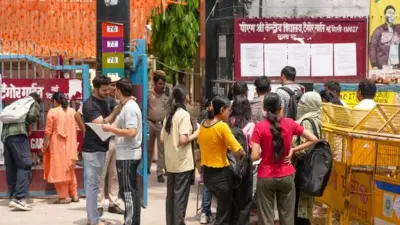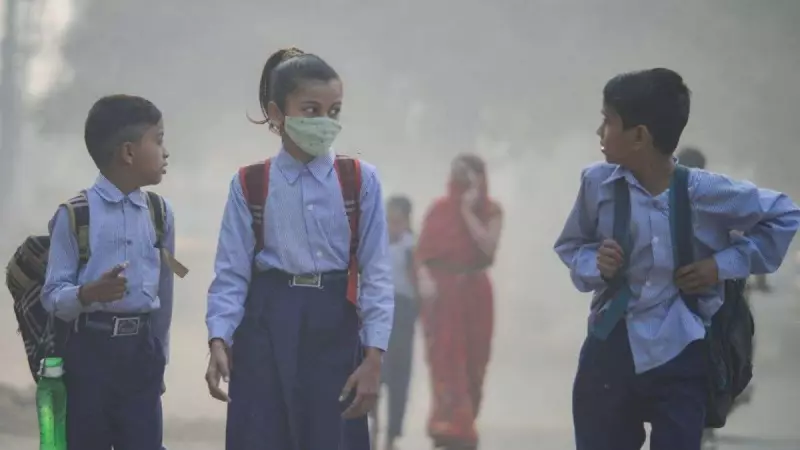
Schools across Delhi and the National Capital Region will remain closed on Tuesday, November 19, as authorities implement emergency measures to combat the severe air pollution crisis gripping the region. The decision comes as air quality levels deteriorated to hazardous levels, posing significant health risks to children and residents alike.
Emergency Measures Triggered by Hazardous Air Quality
The Commission for Air Quality Management (CAQM) has invoked Stage IV of the Graded Response Action Plan (GRAP) across the entire National Capital Region. This emergency response was activated following consistent 'severe' air quality readings across multiple monitoring stations in Delhi and surrounding areas.
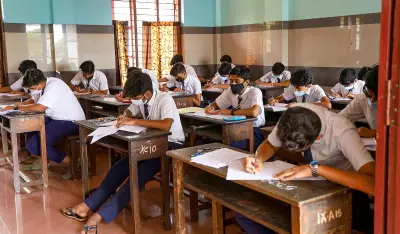
Under these emergency protocols, all schools—including both private and government institutions—in Delhi, Gurugram, Faridabad, Ghaziabad, and Noida will remain shut on Tuesday. The closure affects millions of students who will transition to online learning modes to continue their education while staying protected from the toxic air.

Comprehensive Pollution Control Measures Implemented
The pollution control measures extend beyond school closures. Authorities have imposed strict restrictions on vehicle movement, allowing only CNG, electric, and BS VI-compliant vehicles to operate in the region. Additionally, trucks are barred from entering Delhi, except those carrying essential commodities.
Construction activities have been completely suspended across the NCR, with only essential railway, metro, airport, and national security projects permitted to continue. The government has also directed that 50% of staff in government and private offices should work from home to reduce vehicular emissions and public exposure.
Doctors and health experts have issued urgent advisories, particularly for children, elderly citizens, and individuals with pre-existing respiratory conditions. Medical professionals recommend avoiding outdoor activities entirely and using N95 or N99 masks when venturing outside becomes unavoidable.
Long-term Solutions and Public Health Impact
This marks the third consecutive year that Delhi-NCR has experienced severe pollution episodes during the winter months. The combination of vehicular emissions, industrial pollution, and agricultural stubble burning from neighboring states has created a perfect storm of hazardous air conditions.
Environmental experts emphasize that while emergency measures provide temporary relief, comprehensive long-term strategies are essential. These include accelerating the transition to electric vehicles, improving public transportation infrastructure, implementing sustainable agricultural practices, and enhancing green cover across urban areas.
Residents are advised to monitor official air quality indices regularly and follow health advisories until pollution levels show significant improvement. The situation will be reviewed daily, with authorities prepared to extend restrictions if air quality fails to improve.