The national capital region continues to battle dangerously high levels of air pollution, raising serious concerns about public health and educational disruptions. As toxic haze blankets Delhi-NCR, authorities are closely monitoring the situation with the possibility of implementing school closures if air quality deteriorates further.
Current Air Quality Situation and Monitoring
The Commission for Air Quality Management (CAQM) is actively tracking pollution levels across Delhi and surrounding areas. The air quality index (AQI) has consistently remained in the 'severe' to 'very poor' categories, creating hazardous conditions for residents, particularly children and elderly citizens. Environmental agencies have recorded particulate matter (PM2.5) concentrations significantly exceeding safe limits established by the World Health Organization.
The decision regarding school operations for the coming week will depend entirely on air quality readings over the weekend. Officials have confirmed that they will review pollution data and meteorological forecasts before making any announcements about potential educational institution closures. The Graded Response Action Plan (GRAP) guidelines provide the framework for such decisions, with specific measures triggered at different AQI thresholds.

Government Response and Protective Measures
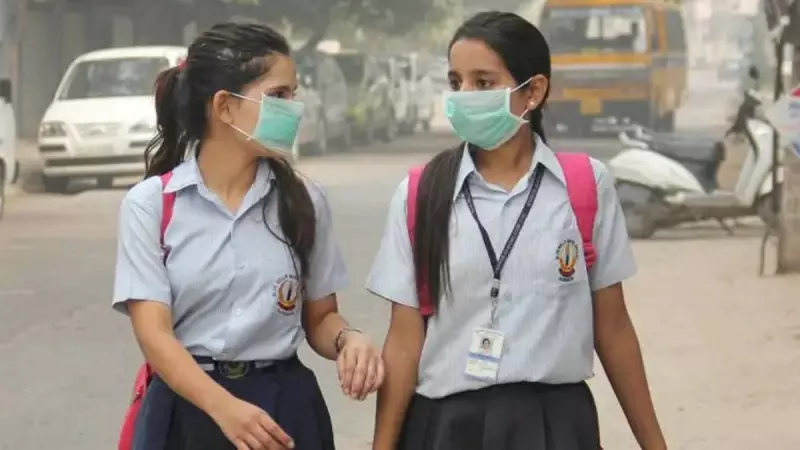
Authorities have already implemented several stages of GRAP measures to combat the worsening air quality. These include restrictions on construction activities, limitations on vehicle movement, and efforts to reduce industrial emissions. The Delhi government has also distributed protective masks in some areas and advised vulnerable groups to minimize outdoor exposure.
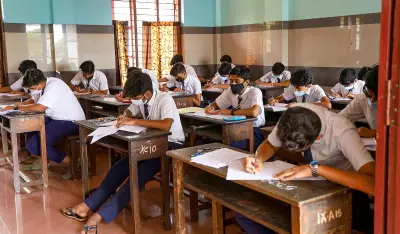
Education departments across Delhi-NCR districts are maintaining regular communication with school administrations, ensuring they are prepared for potential closure announcements. Many schools have already taken independent measures to protect students, including limiting outdoor activities, installing air purifiers in classrooms, and adjusting physical education schedules.
Parents and school authorities are advised to monitor official channels for updates throughout the weekend. The final decision regarding school operations for next week is expected to be announced by Sunday evening, giving families adequate time to make necessary arrangements if closures become necessary.
Health Implications and Long-term Concerns
Medical experts have expressed grave concerns about the health impact of prolonged exposure to such poor air quality, especially on children whose respiratory systems are still developing. Doctors report increased cases of breathing difficulties, asthma attacks, eye irritation, and other pollution-related health issues across all age groups.
The current pollution crisis highlights the persistent environmental challenges facing Delhi-NCR, particularly during the winter months when meteorological conditions trap pollutants close to the ground. Environmentalists emphasize that while emergency measures like school closures provide temporary relief, comprehensive long-term solutions addressing pollution sources remain critically needed.
As the region holds its breath waiting for cleaner air, the potential school closures represent just one aspect of the broader disruption caused by the annual pollution emergency. The coming days will determine whether educational activities can proceed normally or if protective measures will once again become necessary to safeguard public health.