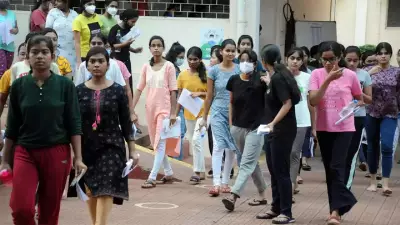
CBSE Unveils Comprehensive Bulletin 358 with Updated School Guidelines
The Central Board of Secondary Education (CBSE) has officially issued Bulletin 358, a pivotal document that introduces a series of updated guidelines and directives for all affiliated schools across India. This bulletin, released for the upcoming 2024-25 academic session, focuses on enhancing student safety, refining assessment methodologies, and implementing key academic reforms to foster a more holistic and secure learning environment.
Enhanced Student Safety Protocols and Measures
One of the core components of Bulletin 358 is the emphasis on strengthening student safety within school premises. The CBSE has mandated that all schools must establish and maintain robust safety committees, which will be responsible for conducting regular safety audits and drills. These committees are required to include representatives from the school administration, teaching staff, parents, and, where applicable, student leaders.
Key safety measures outlined include:

- Implementation of comprehensive anti-bullying policies with clear reporting mechanisms.
- Mandatory background checks for all teaching and non-teaching staff to ensure a secure environment.
- Enhanced infrastructure safety standards, including regular inspections of buildings, laboratories, and playgrounds.
- Guidelines for handling emergencies, such as natural disasters or health crises, with detailed evacuation plans.
The bulletin stresses that schools must submit annual safety compliance reports to the CBSE, ensuring accountability and continuous improvement in safeguarding students.
Reforms in Continuous and Comprehensive Evaluation (CCE)
Bulletin 358 also introduces significant updates to the Continuous and Comprehensive Evaluation (CCE) framework, aiming to reduce academic pressure and promote a more balanced assessment approach. The revised guidelines advocate for a shift from rote learning to skill-based and experiential learning, with assessments designed to evaluate critical thinking, creativity, and practical application of knowledge.
Notable changes in the assessment structure include:
- Increased weightage for formative assessments, which will now account for 60% of the total evaluation, up from 50% previously.
- Introduction of project-based and group assessments to encourage collaborative learning and real-world problem-solving skills.
- Reduction in the number of high-stakes summative assessments, with a focus on continuous feedback and improvement throughout the academic year.
- Inclusion of co-scholastic areas, such as arts, sports, and life skills, in the overall evaluation to support holistic development.
These reforms are aligned with the National Education Policy (NEP) 2020, which emphasizes a learner-centric approach and the integration of vocational education from an early stage.
Academic and Administrative Directives for Schools
Beyond safety and assessment, Bulletin 358 provides detailed directives on various academic and administrative aspects. Schools are instructed to update their curriculum to incorporate digital literacy and financial education, reflecting the evolving needs of the 21st-century learner. Additionally, the bulletin mandates the adoption of eco-friendly practices, such as waste management and energy conservation, as part of the school's operational framework.
Other important guidelines cover:
- Professional development programs for teachers to enhance pedagogical skills and keep abreast of educational trends.
- Transparent fee structures and communication channels with parents to ensure clarity and avoid disputes.
- Promotion of inclusive education, with provisions for students with special needs and those from disadvantaged backgrounds.
- Regular parent-teacher meetings and community engagement initiatives to build a supportive educational ecosystem.
The CBSE has set a deadline for schools to implement these guidelines by the start of the 2024-25 session, with compliance monitoring through periodic inspections and feedback mechanisms.

Implications for the Education Sector
The release of Bulletin 358 marks a significant step towards standardizing and improving the quality of education in CBSE-affiliated schools. By prioritizing student safety and modernizing assessment practices, the bulletin aims to create a more equitable and effective learning environment. Educators and stakeholders have welcomed these updates, noting that they align with global best practices and address longstanding concerns about academic stress and safety in schools.
As schools prepare to adopt these guidelines, the CBSE plans to conduct workshops and training sessions to facilitate smooth implementation. The success of Bulletin 358 will depend on collaborative efforts between schools, parents, and the board, ultimately contributing to the broader goals of educational reform in India.