A disturbing pattern of student suicides is emerging across India, turning ordinary school days into unimaginable tragedies for families. Within a span of just fifteen days in November, two children in Delhi and Jaipur took their own lives, highlighting a national crisis that counselors, parents, and policymakers are struggling to address.
A Nationwide Crisis: From Delhi to Kerala
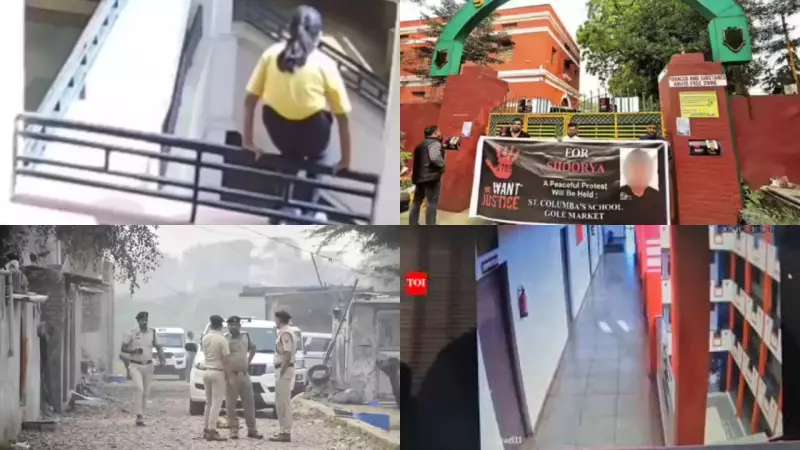
The nightmare began on November 16 in New Delhi. 16-year-old Shourya Patil, a Class 10 student, slipped out through his school's back gate and never made it home. He died after jumping from the Rajendra Place Metro Station. His father, Pradip Patil, stated that Shourya had complained for months about being singled out and humiliated by teachers at St. Columba's School. The boy, a talented dancer, had even pleaded to be pulled out of the school. In a heartbreaking suicide note, he apologized to his parents, requested organ donation, and named teachers who allegedly harassed him, writing, "My last wish is that action be taken against them." Following a police complaint, an FIR for abetment to suicide was registered, and the school suspended four teachers.
Just fifteen days earlier, on November 1 in Jaipur, nine-year-old Amaiyra climbed to the fourth floor of the prestigious Neerja Modi School and jumped to her death. Her parents had repeatedly complained about bullying, teasing, and verbal abuse with sexual connotations, but no action was taken. A subsequent CBSE enquiry found that the child had approached her class teacher five times in the 45 minutes before her death, seeking help for harassment via a digital slate, but her distress was ignored. The report also flagged critical safety lapses.

Systemic Failures and Ignored Pleas
These two cases are not isolated. Similar stories are emerging from multiple states, painting a picture of systemic apathy.
In Rajasthan's Karauli district, a 14-year-old Class 9 student died by suicide after allegedly being beaten and humiliated by teachers. A recovered suicide note named two teachers. In Jalna, Maharashtra, a 13-year-old girl jumped from her school roof; her father alleged she faced teasing from classmates and that earlier complaints went unheeded.
In Pratapgarh, Uttar Pradesh, a Class 12 student took his life after being denied his admit card over unpaid fees for four consecutive days. The principal was arrested for abetment. In Kannur, Kerala, the family of Bhavath Manav EV, a Plus-One student, alleged he died by suicide following repeated physical assault and harassment by teachers over his academic performance.
Other cases include a hostel suicide in Keonjhar, Odisha, leading to four arrests; a suicide attempt by a 14-year-old in Gwalior, Madhya Pradesh after alleged mental torture by teachers; and the unexplained death of a 17-year-old in Ahmedabad, Gujarat.
The Common Threads: Pressure, Harassment, and Negligence
An analysis of these tragedies reveals alarmingly common factors:

- Harassment and Humiliation by Teachers: Multiple cases involve allegations of verbal abuse, public shaming, and physical punishment by educators.
- Peer Bullying: Students are subjected to sustained bullying and teasing, sometimes with sexual undertones, which schools fail to curb.
- Academic Pressure and Fear of Punishment: High-stakes exams and threats of failure create unbearable stress.
- Ineffective Counselling: As protesters outside Shourya Patil's school claimed, counsellors are often "only on paper" and not trusted by students.
- Institutional Apathy and Lack of Accountability: Repeated complaints from parents and students are dismissed or lost in bureaucratic inertia. Safety norms in hostels and school buildings are frequently violated.
The consequences are devastating: families shattered, classrooms traumatized, and a generation of children feeling unheard. While some children show no visible warning signs, many others explicitly express fear, humiliation, or stress long before the final act, only to find no trusted adult or functional system to support them. The urgent question remains: how many more cries for help will go unanswered before systemic change is enforced?