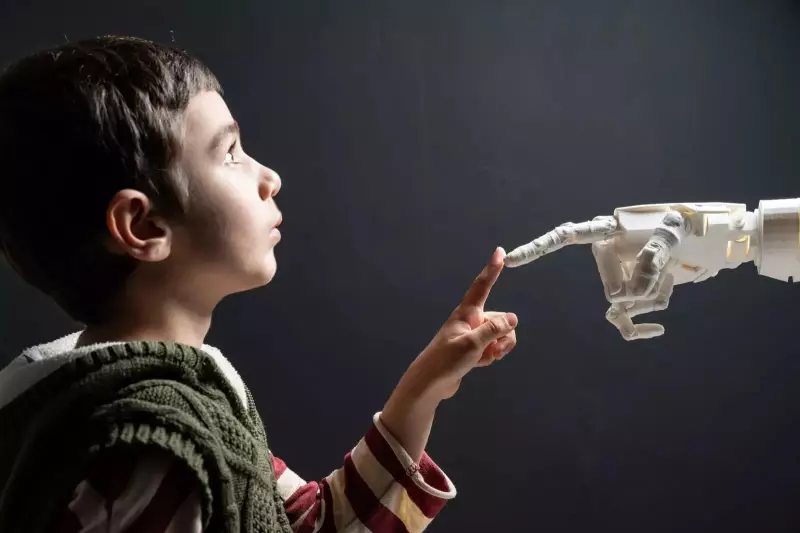
Artificial Intelligence (AI) is rapidly moving from technical jargon to a core part of the Indian classroom experience. The education landscape is actively reshaping itself, preparing students for a world increasingly steered by algorithms and intelligent systems.
NCERT's Formal Step: AI as a Structured Discipline
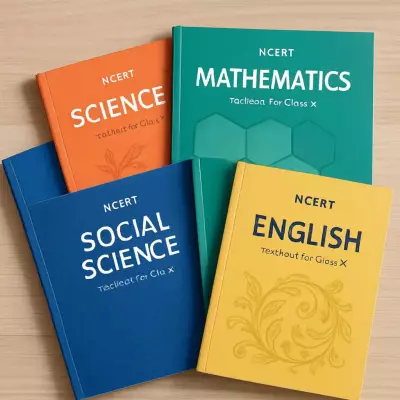
The National Council of Educational Research and Training (NCERT) has taken a definitive step by establishing a dedicated Textbook Development Team. This team's mandate is to create structured syllabi and textbooks on Artificial Intelligence specifically for Classes 11 and 12. The Ministry of Education confirmed this significant move in Parliament, signaling a shift from treating AI as optional enrichment to recognizing it as a formal academic discipline.
According to the Ministry, this action follows the National Education Policy (NEP) 2020 and the National Curriculum Framework for School Education (NCF-SE) 2023. Furthermore, NCERT has already integrated a project on Animation and Games, which includes the use of AI tools, into the vocational education textbook for Grade 6.

The Roadmap: AI from Primary to Senior Secondary
The government's plan is clear and ambitious. Artificial Intelligence will be introduced in all schools starting from Class 3 from the 2026–27 academic session. This early introduction is rooted in the philosophy that computational thinking is now a fundamental literacy, not just a specialized skill.
In parallel, the Central Board of Secondary Education (CBSE) has developed a comprehensive Artificial Intelligence and computational thinking curriculum for students from Classes 3 to 12. The framework is designed to introduce younger students to basic AI concepts gently, building up to more complex ideas in higher grades. Notably, AI will become a compulsory subject from Classes 9 and 10 onwards.
Building Readiness: The SOAR Initiative
Complementing the curricular changes, the Government of India has launched the SOAR (Skilling for AI Readiness) initiative. This national program aligns with NEP 2020, the National Programme on AI (NPAI) Skilling Framework, and the Viksit Bharat 2047 vision.
SOAR targets students from Classes 6 to 12 while also focusing on building essential AI literacy among educators. The program aims to embed foundational AI competencies and ensure teachers are not left behind in this technological transition.
The curriculum is structured around four progressive modules aligned with the National Skills Qualification Framework (NSQF). For students, three core micro-credentials form the backbone:
- AI to be Aware
- AI to Acquire
- AI to Aspire
Each module involves 15 hours of learning, totaling 45 hours of dedicated AI-focused education.
The Larger Implications: Education in an Algorithmic Age
This aggressive push to integrate AI into school education reflects broader national considerations about automation, future employability, and India's competitive stance in the global digital economy. The underlying belief is that students who comprehend AI will be better equipped to coexist with it in tomorrow's workplace.
However, this shift also raises critical questions about the intent of education. While preparing students to work alongside intelligent machines is crucial, it is equally important to equip them with the critical thinking skills to question the design, beneficiaries, and potential exclusions embedded within these powerful AI systems. The challenge for India's education system will be to balance skill acquisition with fostering a deeper, more interrogative understanding of the technology shaping our future.