Vice President Radhakrishnan Presides Over Historic Digital Degree Distribution at Delhi University
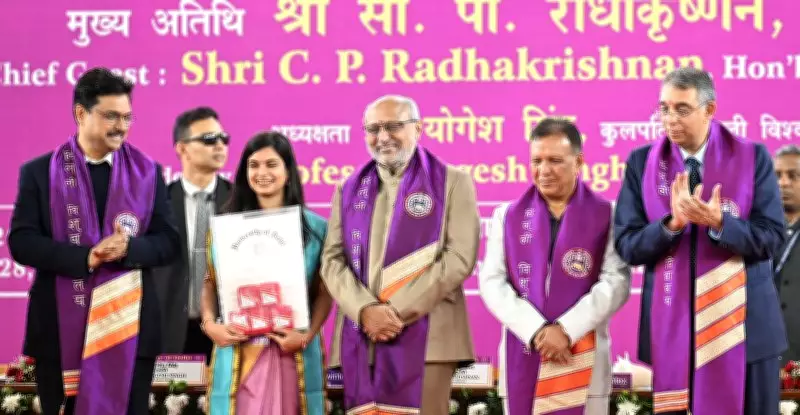
In a landmark event for India's higher education sector, Vice President C.P. Radhakrishnan presided over the 102nd convocation of Delhi University, where he officially released and distributed an impressive 1.2 lakh digital degrees to graduating students. This ceremony, held at the university's campus in the national capital, represents a significant milestone in the ongoing digital transformation of academic credentials across the country.
A New Era for Academic Documentation
The distribution of these digital degrees marks a decisive shift away from traditional paper-based certificates, embracing technology to create more secure, accessible, and verifiable academic records. Each digital degree issued during this convocation features advanced security protocols and can be easily verified online by employers, educational institutions, and other stakeholders, thereby reducing the risk of forgery and streamlining administrative processes.
Vice President Radhakrishnan emphasized the importance of this initiative, stating that it aligns perfectly with the government's broader vision of a Digital India. He highlighted how such technological advancements in education not only enhance efficiency but also empower students by providing them with credentials that are globally recognized and instantly accessible from anywhere in the world.

Details of the 102nd Convocation Ceremony
The convocation, which celebrated the academic achievements of thousands of students from various disciplines, was attended by university officials, faculty members, and distinguished guests. During his address, the Vice President congratulated the graduates on their accomplishments and encouraged them to leverage their education to contribute meaningfully to society and the nation's development.
The implementation of digital degrees at Delhi University is part of a larger trend in Indian higher education, where institutions are increasingly adopting digital tools to modernize their operations. This move is expected to set a precedent for other universities across India, potentially leading to widespread adoption of similar digital credentialing systems.
Implications for Students and the Education Sector
For students, the transition to digital degrees offers numerous benefits:
- Enhanced Accessibility: Graduates can access their degrees anytime, anywhere, without the need for physical storage or risk of damage.
- Improved Security: Digital degrees incorporate encryption and verification features that make them tamper-proof and easy to authenticate.
- Environmental Sustainability: By reducing reliance on paper, this initiative supports eco-friendly practices in academia.
Furthermore, this development is likely to boost India's standing in the global education landscape, as digital credentials are increasingly favored by international universities and employers for their convenience and reliability.
The successful rollout of 1.2 lakh digital degrees at Delhi University's convocation underscores the institution's commitment to innovation and its role as a leader in shaping the future of education in India. As Vice President Radhakrishnan noted, such efforts are crucial for building a robust, technology-driven educational ecosystem that can meet the challenges of the 21st century.