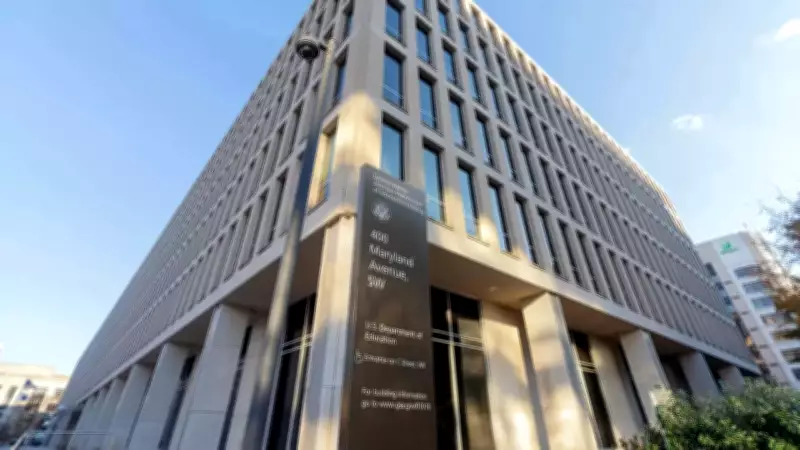
The United States Department of Education has introduced a comprehensive proposed rule aimed at significantly reducing higher education expenses and streamlining federal student loan repayment processes. This initiative falls under the framework of President Trump's Working Families Tax Cuts Act, as detailed in an official departmental press release.
Public Comment Period Opens for Proposed Changes
The Notice of Proposed Rulemaking initiates a 30-day public comment window, allowing stakeholders to provide feedback on these substantial modifications. These regulatory adjustments follow congressional reforms designed to combat excessive borrowing, implement graduate loan limitations, and create more efficient repayment pathways for borrowers nationwide.
Graduate and Professional Student Borrowing Limits
A cornerstone of the proposal involves eliminating the Grad PLUS program while establishing strict annual and aggregate borrowing ceilings for graduate and professional students. Starting in July 2026, graduate students would face a maximum annual borrowing limit of $20,500 with a lifetime cap of $100,000. Professional students would encounter even stricter restrictions, with $50,000 annual limits and $200,000 aggregate caps over their educational careers.

The department emphasized that these measures directly target the inflationary pressure on tuition costs created by previously unlimited borrowing opportunities. By implementing these caps, policymakers hope to create more sustainable lending practices within higher education financing.
Institutional Control Over Program-Level Lending
Under the proposed framework, colleges and universities would gain unprecedented authority to establish program-specific loan caps below the statutory maximums. This institutional flexibility would enable educational providers to better align borrowing limits with actual program costs, particularly for courses of study with historically lower post-graduation earnings or higher default rates among graduates.
Streamlined Repayment Structure
The proposed rule would dramatically simplify the current complex repayment landscape by phasing out multiple existing options and replacing them with just two choices: a tiered standard repayment plan and a single income-driven alternative called the Repayment Assistance Plan.
The standard plan would offer fixed repayment terms ranging from 10 to 25 years based on total loan balances, while the income-driven option would directly link monthly payments to borrower earnings while preventing balance growth for low-income individuals struggling to meet their financial obligations.
Enhanced Support for Borrowers in Default
Borrowers currently in default would receive expanded rehabilitation opportunities under the proposal. Previously limited to just one rehabilitation attempt, struggling borrowers would now gain a second chance to restore their loans to good standing and resume regular payments. This policy shift aims to help more individuals recover from financial distress and re-enter the repayment system successfully.
Regulatory Implementation Timeline
This proposed rule represents one of three regulations necessary to implement changes to the Higher Education Act. The department noted that consensus was achieved through the RISE Committee, which included diverse representation from students, taxpayers, and educational institutions. The public comment period for these proposals will close on March 2, 2026, after which final regulations will be developed based on stakeholder feedback.