Nationwide UGC Equity Rules Protests: Students, Lawyers Demand Rollback
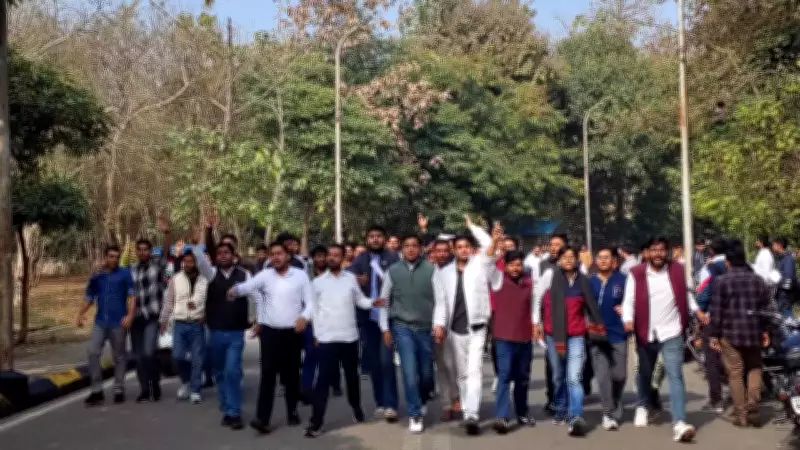
India witnessed widespread demonstrations on Thursday as students and legal professionals took to the streets in multiple cities, vehemently opposing the University Grants Commission's newly notified equity regulations. The protests, which spanned from educational institutions to major traffic intersections, highlighted deep-seated concerns about the potential implications of these rules on campus dynamics and social harmony.
Lucknow Emerges as Epicenter of Student Unrest
In Lucknow, student protests swept across the city with significant demonstrations at Lucknow University's Second Campus, Jai Narain Misra PG College, and near the iconic Gandhi Statue in Hazratganj. Students under the banner of 'Chhatra Panchayat' organized coordinated protests demanding immediate withdrawal of what they termed as discriminatory regulations. The situation escalated when police clashed with members of the Shree Rajput Karni Sena during separate protests against the caste-based equity rules.
Delhi University Sees Fierce Opposition
At Delhi University's North Campus, students, predominantly from the general category, staged intense protests claiming the regulations promote discrimination rather than equality. Protesters argued that the rules lack binding provisions for the representation of general-category students, creating what they perceive as an imbalanced framework that could exacerbate existing tensions on campuses.

Religious and Community Leaders Voice Concerns
The controversy extended beyond student communities, with religious leaders and spiritual figures expressing strong reservations. In Prayagraj, a group of 'Ekdandi sadhus' staged protests against the regulations, while at the Magh Mela camp, Jagadguru Swami Narendranand Saraswati Maharaj warned that the new UGC bill could create societal rifts and divide Hindu communities. These concerns reflect broader apprehensions about the regulations' potential impact on social cohesion.
Legal Challenges and Political Reactions
The Supreme Court has agreed to examine the UGC regulations following a plea challenging their constitutional validity. The petition argues that the regulations adopt a non-inclusionary definition of caste-based discrimination and exclude certain categories from institutional protection. Meanwhile, political reactions have been mixed, with BSP president Mayawati describing the protests as 'not appropriate,' a position echoed by the Samajwadi Party.
Protests Disrupt Normal Life Across Cities
The demonstrations caused significant disruptions in several cities:
- In Kanpur, students of Chandrashekhar Azad Agricultural University burned effigies during their protest
- Patna witnessed tense scenes as hundreds of students blocked Dinkar Golambar, a major traffic intersection
- Allahabad High Court advocates staged protests in Prayagraj against the new policies
Broader Implications for Higher Education
The nationwide protests underscore deep concerns about how equity regulations might reshape India's higher education landscape. Students argue that while addressing discrimination is crucial, the current framework might inadvertently create new forms of exclusion. The regulations, officially titled 'Promotion of Equity in Higher Education Institutions Regulations,' have sparked debates about:
- The balance between addressing historical discrimination and ensuring fair representation for all categories
- The potential for these rules to create administrative burdens on educational institutions
- The long-term impact on campus social dynamics and student relationships
As protests continue to spread across the country, the UGC faces mounting pressure to reconsider the regulations or provide clearer guidelines addressing the concerns raised by various stakeholders. The situation remains fluid, with student groups planning further demonstrations until their demands for complete withdrawal of the rules are met.