UAE Education Authorities Unveil Thoughtfully Balanced Ramadan 2026 School Calendar
As the sacred month of Ramadan approaches in February 2026, educational authorities in the United Arab Emirates have crafted a comprehensive academic schedule that harmoniously blends educational requirements with spiritual commitments. The Ministry of Education (MoE) and the Knowledge and Human Development Authority (KHDA) have collaborated to design a calendar that prioritizes both learning continuity and meaningful religious observance during this significant period.
Strategic Academic Structure for Ramadan 2026
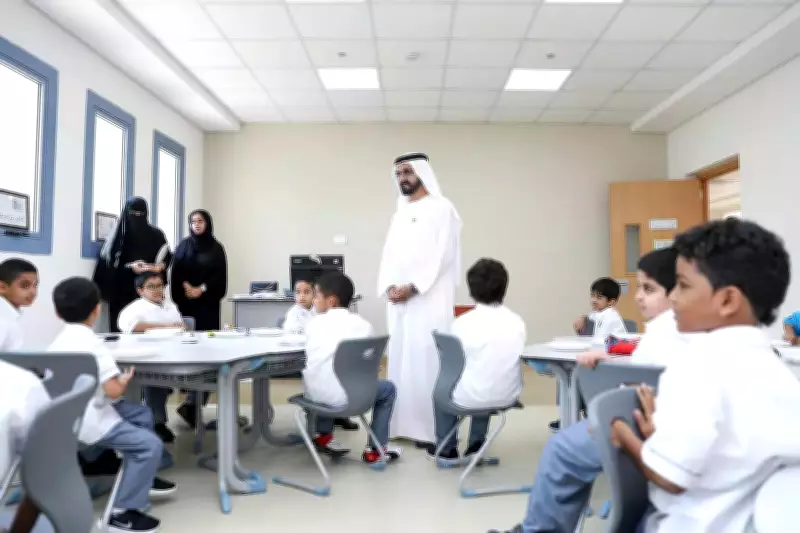
This year's educational framework demonstrates remarkable balance and foresight. Out of the entire month of Ramadan, students across UAE schools will attend full in-person classes for only approximately eight days. The remaining academic time has been strategically distributed across various educational formats to accommodate both learning objectives and spiritual practices.
The calendar incorporates shortened school weeks, carefully scheduled end-of-term assessments, and a substantial holiday period that enables families to observe Ramadan traditions together without the typical academic pressures. This thoughtful arrangement reflects the authorities' commitment to student well-being and cultural sensitivity.

Detailed Week-by-Week Schedule Breakdown
The Ramadan 2026 school calendar unfolds across several distinct phases:
- Week 1 (February 19-22): Schools operate with shortened hours, not exceeding five hours daily, as Ramadan commences on Thursday, February 19.
- Week 2 (February 23-27): Continued shortened hours with maximum five-hour days, typically hosting end-of-Term 2 assessments during this period.
- Week 3 (March 2-6): Maintained shortened hours with remote learning options on Fridays, allowing increased focus on spiritual activities and core academic subjects.
- Week 4 (March 9-13): Final week of regular classes as schools prepare for the upcoming Spring Break transition.
Extended Holiday Periods and Important Breaks
The calendar features significant holiday intervals designed to accommodate both religious observance and family time:
- Spring Break Holiday: A twelve-day closure from March 16-27 that coincides with the conclusion of Ramadan, providing families with extended time for spiritual reflection and celebration.
- Eid Al Fitr Break: Schools will remain closed from March 30 through April 1 for the expected Eid Al Fitr public holidays, allowing students and families to fully participate in festive celebrations.
Essential Operational Guidelines and Timing Rules
Educational authorities have established clear operational parameters to ensure consistency across institutions:
- Morning Start Times: Schools generally commence between 8:00 AM and 9:00 AM during Ramadan.
- The Five-Hour Rule: Instructional periods must conclude by 1:00 PM or 2:00 PM, depending on start times, ensuring maximum five-hour school days.
- Friday Early Dismissal: All educational institutions must release students by 11:30 AM on Fridays to facilitate Jumu'ah (Friday prayer) preparations.
Practical Guidance for Parents and Families
For families preparing for Ramadan 2026, education officials offer several important recommendations:

- Confirm School-Specific Schedules: While the overall framework is standardized, individual schools may implement slightly different daily start and end times.
- Examination Planning: Assessment schedules remain largely unchanged and are planned well in advance, requiring students to organize revision time accordingly.
- Meal Arrangements: Parents should ensure children bring meals if they are not fasting, as school canteen services may be limited or unavailable during Ramadan.
Educational Philosophy and Cultural Considerations
Education officials have emphasized that these schedule modifications prioritize student welfare, family cohesion, and religious observance while maintaining academic standards. The approach demonstrates how educational systems can adapt to cultural and religious contexts without compromising learning outcomes.
This year's Ramadan schooling plan reflects the UAE's broader commitment to balancing educational excellence with cultural values. By minimizing full classroom days, offering flexible learning options during key periods, and aligning holidays with existing breaks, schools aim to ensure students can fully experience Ramadan's spiritual significance without unnecessary academic stress.
Looking Forward: Educational Harmony During Sacred Seasons
As families across the UAE prepare for Ramadan 2026, these calendar adjustments are expected to help students, parents, and educators manage their routines more comfortably while preserving both academic objectives and the special nature of the holy month. The thoughtful scheduling represents a model for how modern educational systems can respectfully accommodate religious observances while maintaining educational continuity and quality.
The balanced approach demonstrates how educational planning can successfully integrate cultural sensitivity with academic rigor, creating an environment where students can thrive academically while fully participating in important cultural and religious traditions.