Tamil Nadu Emerges as Top State for Hiring Professors of Practice in India
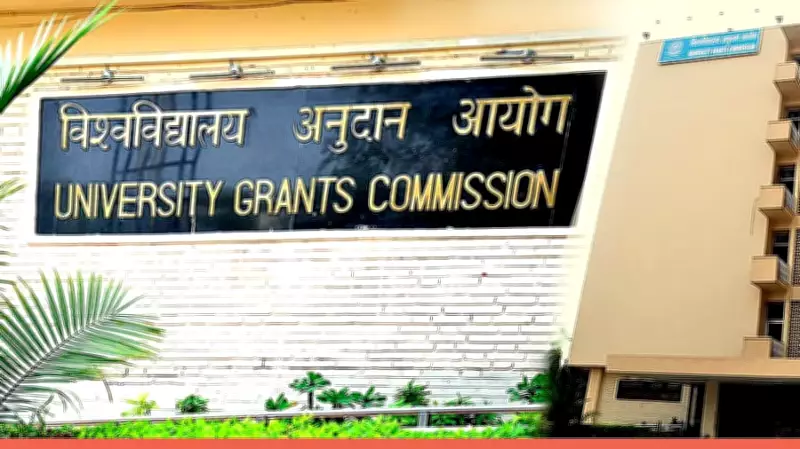
Recent data released by the University Grants Commission (UGC) highlights a significant trend in India's higher education sector, with Tamil Nadu taking the lead in the recruitment of professors of practice (PoP). According to the UGC statistics, Tamil Nadu has hired the maximum number of these specialized educators, followed closely by Maharashtra and Gujarat. This initiative, launched in 2022, aims to integrate professional expertise directly into academic settings, fostering a more dynamic and industry-relevant learning environment for students across the country.
UGC Guidelines Drive Academic-Industry Collaboration
In 2022, the University Grants Commission introduced comprehensive guidelines to facilitate the hiring of professors of practice at Higher Education Institutions (HEIs). The primary objective of this policy is to bridge the longstanding gap between theoretical academia and practical industry demands. By bringing seasoned professionals from various sectors into classrooms, the UGC seeks to enhance the quality of education, ensuring that students gain hands-on knowledge and skills that are directly applicable in the real world. This move is part of a broader effort to modernize India's educational framework and prepare graduates for competitive global job markets.
State-Wise Distribution and Impact on Higher Education
The UGC data provides a detailed breakdown of the adoption of professors of practice across Indian states. Tamil Nadu's proactive approach has resulted in the highest number of PoP appointments, setting a benchmark for other regions. Maharashtra and Gujarat follow suit, demonstrating a strong commitment to educational innovation. This state-wise distribution underscores the varying levels of implementation and highlights the potential for nationwide scaling of the program. The inclusion of professors of practice is expected to:

- Enrich curriculum with current industry practices and case studies.
- Provide students with mentorship from experienced professionals.
- Foster stronger partnerships between universities and corporate sectors.
- Boost employability rates by aligning academic outcomes with market needs.
As these educators bring their real-world insights into lecture halls, they contribute to a more holistic and practical learning experience, ultimately benefiting the overall ecosystem of higher education in India.
Future Prospects and Challenges in Implementation
While the progress in states like Tamil Nadu, Maharashtra, and Gujarat is commendable, the UGC initiative faces several challenges that need addressing for broader success. Key considerations include ensuring equitable access to qualified professionals across all states, particularly in rural and underserved areas. Additionally, there is a need for standardized training and support systems to help professors of practice effectively integrate into academic environments. Looking ahead, the UGC plans to monitor the impact of these hires through regular assessments and feedback mechanisms, aiming to refine the guidelines and encourage more HEIs to participate. This data-driven approach will be crucial in sustaining the momentum and achieving the long-term goal of a seamlessly integrated academia-industry landscape in India's education sector.