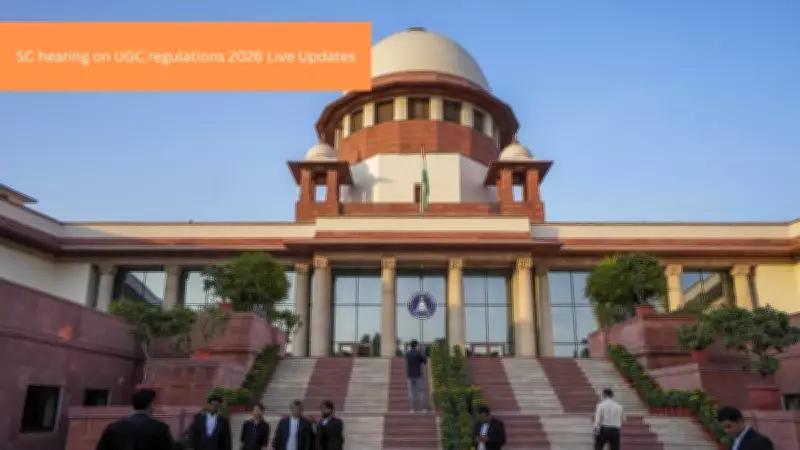
Supreme Court Hearing on UGC Regulations: Live Updates and Key Details
The Supreme Court of India is currently conducting a crucial hearing on a plea that challenges the new regulations introduced by the University Grants Commission (UGC). This session is being closely monitored by educational institutions, students, and policymakers across the nation, as it holds significant implications for the future of higher education in India.
What Is the UGC Act and Its Role in Education?
The University Grants Commission Act, established in 1956, serves as the primary regulatory framework for higher education in India. Under this act, the UGC is empowered to coordinate, determine, and maintain standards of university education. It plays a pivotal role in granting recognition to universities, disbursing funds, and formulating policies to enhance the quality of education. The UGC Act has been instrumental in shaping the academic landscape, ensuring that institutions adhere to national standards and promote excellence in teaching and research.
Understanding the Controversy Surrounding the New Regulations
The controversy stems from the UGC's recent introduction of new regulations, which have sparked widespread debate and legal challenges. Critics argue that these regulations could potentially undermine the autonomy of universities and impose restrictive measures on academic freedom. Key points of contention include:

- Changes in Accreditation Processes: The new rules may alter the way institutions are accredited, raising concerns about transparency and fairness.
- Impact on Faculty Appointments: There are apprehensions that the regulations could affect the recruitment and promotion of teaching staff, leading to potential disruptions in academic operations.
- Financial Implications: The revised guidelines might influence funding allocations, with some institutions fearing reduced support or increased bureaucratic hurdles.
Proponents of the regulations, however, contend that they are necessary to modernize the education system, improve accountability, and align with global standards. They emphasize that the changes aim to foster innovation and ensure that Indian universities remain competitive on the international stage.
Live Updates from the Supreme Court Hearing
As the hearing progresses, several key developments are emerging. The petitioners have presented their arguments, highlighting alleged inconsistencies with the UGC Act and potential violations of constitutional principles. The UGC, represented by its legal team, is defending the regulations, asserting that they are within the commission's statutory powers and designed to benefit the education sector.
Observers note that the court's decision could set a precedent for future educational policies. If the plea is upheld, it might lead to a reevaluation of the regulations, possibly resulting in amendments or a complete overhaul. Conversely, a ruling in favor of the UGC could reinforce the commission's authority and pave the way for the implementation of the new rules across universities.
Broader Implications for Higher Education in India
This hearing is not just a legal battle; it reflects broader tensions in India's education system. Issues such as institutional autonomy, regulatory oversight, and the balance between standardization and flexibility are at the forefront. The outcome is likely to influence:
- University Governance: How institutions are managed and their degree of independence from central regulations.
- Student and Faculty Rights: The protection of academic freedoms and the rights of stakeholders within the education ecosystem.
- Policy Formulation: Future initiatives by the UGC and other regulatory bodies, potentially shaping the trajectory of higher education reforms.
As the Supreme Court deliberates, the education community awaits a resolution that could redefine the regulatory landscape. This case underscores the ongoing evolution of India's higher education sector, highlighting the need for collaborative efforts to address challenges and seize opportunities for growth.