Union Education Minister Dharmendra Pradhan Advocates for Educational Transformation and AI Sovereignty
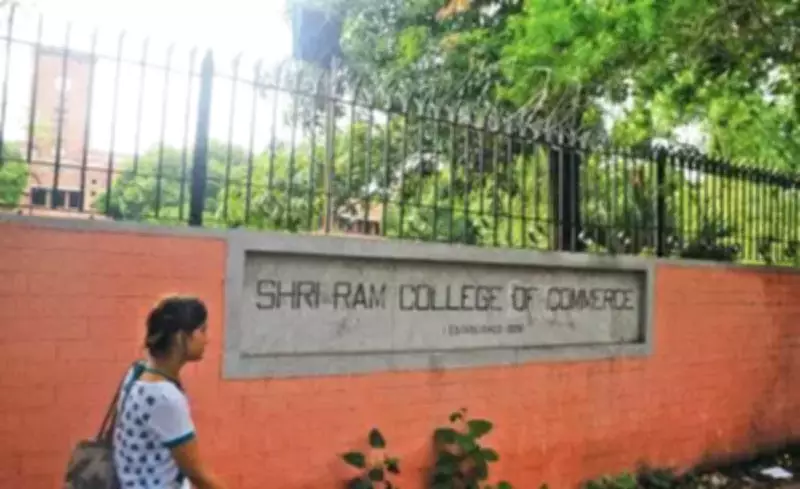
In a significant address at the Yugantar '26 management conclave, Union Education Minister Dharmendra Pradhan called for a decisive shift away from the colonial-era Macaulay doctrine, urging higher education institutions to realign with the vision of Viksit Bharat. The event, themed 'AI for Sustainability and Startup Innovation', was hosted by Shri Ram College of Commerce's Post Graduate Diploma in Global Business Operations programme.
Exiting the Macaulay Doctrine and Embracing NEP Reforms
Pradhan emphasized that the National Education Policy represents a structural reset of India's academic ecosystem. He stated, "We have to get out of the Macaulay doctrine that enslaved India academically. The NEP will ensure that Bharat becomes a Vishwa Guru. Institutions like SRCC must lead this transformation." This call to action highlights the government's commitment to decolonizing education and fostering indigenous knowledge systems.
Upgrading SRCC's PGDGBO to a Master's Degree Programme
In a major announcement, Pradhan revealed that SRCC's two-year Post Graduate Diploma in Global Business Operations will be upgraded to a full-fledged master's degree programme. This transition aims to:

- Enhance academic recognition and global equivalence of the programme.
- Align the curriculum with the comprehensive reforms outlined in the National Education Policy.
- Provide students with advanced qualifications that meet international standards.
Focus on Technological Sovereignty and AI Leadership
The minister stressed the critical need for India to develop sovereign AI ecosystems. He asserted, "India must move towards sovereign AI ecosystems, strengthening institutions like IIT Madras and IIT Bombay, and building indigenous capabilities so that Bharat becomes a leader in artificial intelligence." This vision underscores the importance of self-reliance in technology and innovation.
University-Industry Collaboration and Commercialization of Research
Delhi University Vice-Chancellor Yogesh Singh echoed the need for practical outcomes from academic research. He remarked, "Only three words can safeguard the future of young minds — innovation, creativity and originality. Universities must go beyond publications; we must develop patents, prototypes and commercially sustainable products." Singh cautioned against resistance to technological change and advocated for deeper partnerships between universities and industries to drive economic growth.
Responsible Adoption of Artificial Intelligence
SRCC Principal Simrit Kaur highlighted the dual potential of AI, noting its capacity to improve productivity and efficiency by shifting demand and supply curves. However, she emphasized the necessity of human oversight, stating, "But without human intelligence, there is no optimal solution. AI must be aligned with humanity and adopted responsibly." This perspective reinforces the balance between technological advancement and ethical considerations.
The conclave served as a platform for discussing how educational reforms, technological sovereignty, and responsible innovation can collectively contribute to India's development goals, positioning the country as a global leader in the era of AI and sustainability.