Pakistan's Education Sector in Deep Crisis as Funding Drops and Learning Outcomes Plummet
The education sector in Pakistan is grappling with a severe and escalating crisis, marked by a sharp decline in government funding and a dramatic fall in learning outcomes. This situation poses a significant threat to the country's socio-economic development and future prospects, with millions of students affected by deteriorating infrastructure, teacher shortages, and inadequate resources.
Funding Cuts Exacerbate Systemic Issues
Recent reports indicate that Pakistan has significantly reduced its allocation for education in the national budget, with funding levels dropping to alarmingly low percentages of GDP. This reduction has exacerbated long-standing systemic issues, including a lack of basic facilities in schools, such as electricity, clean water, and proper sanitation. Many educational institutions are operating in dilapidated buildings, compromising the safety and learning environment for students.
Plummeting Learning Outcomes and Teacher Shortages
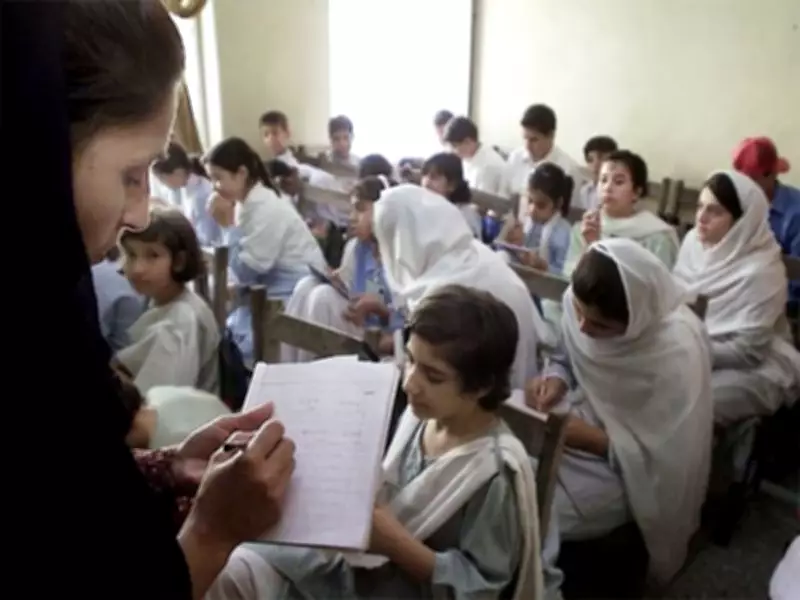
As a direct consequence of the funding crisis, learning outcomes have plummeted across the country. Standardized test scores show a steep decline in literacy and numeracy rates, with many students failing to achieve basic competency levels. Compounding this problem is a severe shortage of qualified teachers, as low salaries and poor working conditions drive educators away from the profession. This has led to overcrowded classrooms and reduced individual attention for students, further hindering educational progress.

Impact on National Development and Future Generations
The crisis in Pakistan's education sector has far-reaching implications for national development. A poorly educated workforce limits economic growth, innovation, and global competitiveness. Moreover, the lack of access to quality education disproportionately affects marginalized communities, perpetuating cycles of poverty and inequality. Experts warn that without immediate intervention, the situation could lead to long-term social instability and hinder Pakistan's ability to meet sustainable development goals.
Calls for Urgent Reforms and Increased Investment
In response to the crisis, education advocates and international organizations are calling for urgent reforms and increased investment in the sector. Recommendations include raising the education budget to at least 4% of GDP, improving teacher training and retention programs, and upgrading school infrastructure. There is also a push for greater transparency and accountability in the use of educational funds to ensure resources reach those in need.
The future of Pakistan's youth and the nation's overall progress hinge on addressing this education crisis promptly and effectively.