Northeast Students in Delhi Grapple with Discrimination and Exclusion
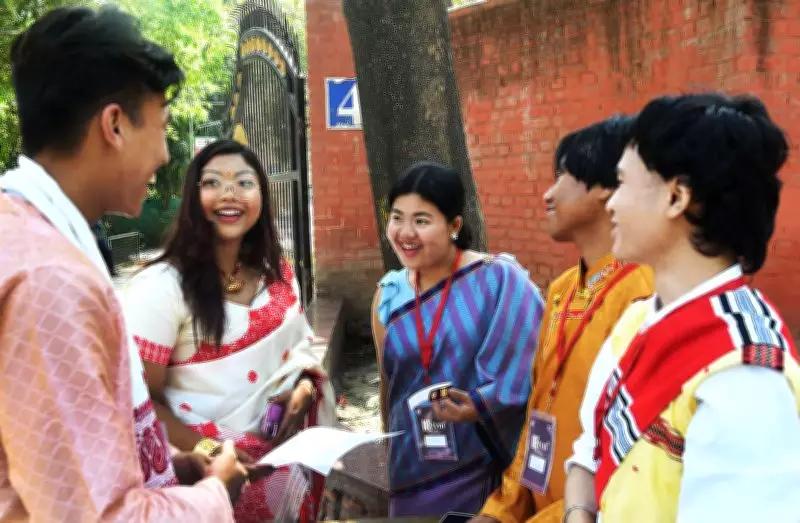
A recent report has shed light on the troubling experiences of students from India's northeastern states living in Delhi, who often feel like outsiders due to pervasive bias and discrimination. These students, who migrate to the capital for higher education and better opportunities, face a range of challenges that undermine their sense of belonging and safety.
Incidents of Racial Slurs and Harassment
Many Northeast students in Delhi have reported encountering racial slurs and derogatory comments based on their physical appearance. Common slurs include terms that stereotype their East Asian-like features, leading to daily microaggressions and overt harassment in public spaces, educational institutions, and workplaces. This verbal abuse not only causes emotional distress but also reinforces feelings of alienation and otherness.
Systemic Bias and Social Exclusion
Beyond verbal attacks, students from the Northeast often experience systemic bias in housing, employment, and social interactions. Landlords may refuse to rent apartments to them, employers might overlook them for jobs, and peers in universities sometimes exclude them from social circles. This exclusion extends to cultural misunderstandings, where their traditions and lifestyles are frequently mocked or dismissed, further deepening the divide.

The cumulative effect of these experiences takes a significant toll on the mental health of Northeast students. Many report increased anxiety, depression, and a sense of isolation, which can adversely affect their academic performance and overall well-being. The lack of adequate support systems in Delhi exacerbates these issues, leaving students to navigate these challenges largely on their own.
Calls for Awareness and Policy Interventions
In response to these ongoing problems, activists and student groups are advocating for greater awareness and stronger policy measures. Suggestions include:
- Implementing anti-discrimination laws specifically addressing racial bias.
- Conducting sensitivity training in schools and workplaces to educate the public about Northeast cultures.
- Establishing support networks and helplines for affected students.
These steps aim to foster a more inclusive environment and ensure that Delhi becomes a welcoming city for all its residents, regardless of their regional background.
Moving Forward: A Need for Collective ActionAddressing the discrimination faced by Northeast students in Delhi requires a concerted effort from government bodies, educational institutions, and civil society. By promoting diversity and inclusion, Delhi can better uphold its reputation as a cosmopolitan hub and provide a safe, equitable space for students from across India to thrive.