India's Jobless Graduates: The Harsh Reality of Study, Wait, and Repeat
India's demographic dividend, once hailed as a potential economic powerhouse, is now facing a severe crisis as millions of graduates find themselves trapped in a relentless cycle of study, wait, and repeat. This harsh reality underscores deep systemic failures in the country's employment landscape and educational framework.
The Vicious Cycle of Unemployment
Graduates across India are increasingly spending years in coaching classes or waiting rooms, hoping for job opportunities that never materialize. This pattern not only wastes valuable human resources but also erodes the confidence and aspirations of young professionals. The situation is particularly dire in sectors where demand for skilled labor does not match the supply of qualified candidates.
Key factors contributing to this crisis include:

- Mismatch between education and industry needs: Many academic programs fail to equip students with practical skills required by employers.
- Over-reliance on coaching institutes: Graduates often turn to expensive coaching classes to prepare for competitive exams, delaying entry into the workforce.
- Slow job creation: Economic growth has not translated into sufficient employment opportunities for the burgeoning graduate population.
Impact on Demographic Dividend
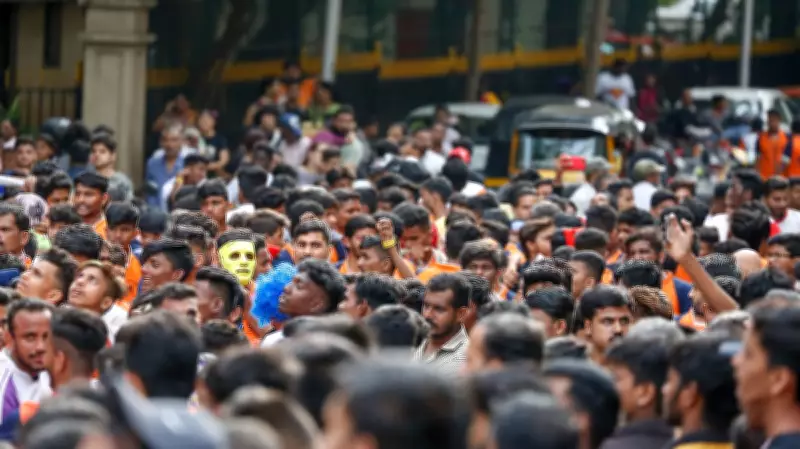
India cannot afford to let its demographic dividend—the large youth population—rot in coaching classes or waiting rooms. This waste of potential threatens long-term economic stability and social cohesion. Experts warn that if left unaddressed, this issue could lead to increased frustration, brain drain, and social unrest among educated youth.
The consequences extend beyond individual hardship:
- Economic losses: Unutilized talent results in lower productivity and reduced GDP growth.
- Social challenges: Joblessness among graduates can fuel dissatisfaction and mental health issues.
- Global competitiveness: India risks falling behind other nations in harnessing its human capital for innovation and development.
Systemic Reforms Needed
Addressing this crisis requires comprehensive reforms in both education and employment policies. Initiatives must focus on aligning curricula with market demands, promoting vocational training, and accelerating job creation in emerging sectors. Additionally, reducing dependency on coaching classes through improved public education and transparent recruitment processes is crucial.
Potential solutions include:
- Enhancing industry-academia collaboration to bridge skill gaps.
- Investing in digital and technical education to prepare graduates for future jobs.
- Implementing policies that encourage entrepreneurship and startup ecosystems.
In conclusion, the cycle of study, wait, and repeat among India's jobless graduates is a pressing issue that demands immediate attention. By tackling systemic flaws and fostering a more responsive education-employment nexus, India can transform its demographic dividend into a true asset for national progress.