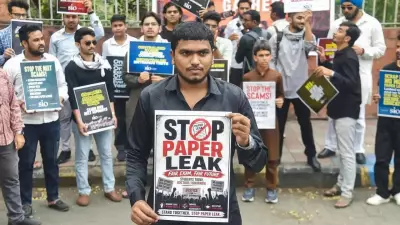
India's Growing Job Crisis: A Call for Urgent Action
India is grappling with a severe job crisis that threatens its economic stability and social fabric. Despite robust economic growth, millions of young people remain unemployed or underemployed, highlighting a critical mismatch between education and market demands. This issue has become a pressing concern for policymakers, educators, and industry leaders alike.
The Stark Reality of Unemployment
Recent data reveals that India's unemployment rate remains alarmingly high, particularly among the youth. The country's demographic dividend, once seen as a potential economic boon, is now at risk of becoming a liability if not addressed promptly. The lack of adequate job opportunities is not just an economic problem but also a social one, leading to frustration and disillusionment among the educated workforce.
Education-Skills Mismatch: The Core Challenge
A primary factor exacerbating the job crisis is the significant gap between what educational institutions teach and what industries require. Many graduates lack the practical skills and technical expertise needed in today's rapidly evolving job market. This mismatch results in a paradoxical situation where employers struggle to find qualified candidates, while job seekers remain unemployed due to insufficient skills.

- Outdated curricula that fail to keep pace with technological advancements.
- Insufficient focus on vocational training and hands-on experience.
- Overemphasis on theoretical knowledge at the expense of practical application.
Strategies for Job Creation and Skill Development
To combat this crisis, experts propose a multi-faceted approach that integrates education reform with proactive job creation measures. Immediate steps are needed to realign the education system with industry needs and foster an environment conducive to employment generation.
Potential solutions include:- Revamping educational curricula to incorporate emerging technologies and industry-relevant skills.
- Expanding vocational training programs and apprenticeship opportunities.
- Encouraging public-private partnerships to bridge the gap between academia and industry.
- Promoting entrepreneurship and startup ecosystems to create new job avenues.
The Role of Government and Industry
Addressing the job crisis requires concerted efforts from both the government and the private sector. Policymakers must prioritize job creation in their economic agendas, while industries should invest in upskilling and reskilling initiatives. Collaborative frameworks can help design education programs that produce job-ready graduates, ultimately boosting economic productivity and social welfare.
In conclusion, India's job crisis is a complex issue rooted in the education-skills mismatch. By implementing targeted reforms and fostering collaboration between stakeholders, the nation can unlock its human potential and pave the way for sustainable economic growth. The time for action is now, as delays could have far-reaching consequences for India's future prosperity.