IIT Madras and Tel Aviv University Launch Major Water Literacy Initiative
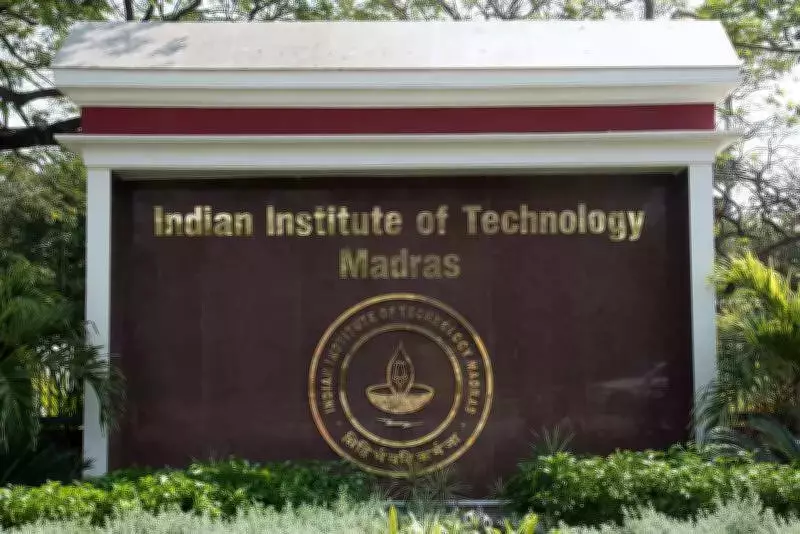
In a significant academic collaboration, the Indian Institute of Technology Madras (IIT Madras) has joined forces with Tel Aviv University to launch an ambitious water literacy program. The initiative aims to train an impressive 5,000 students from 100 educational institutions across India over the next two years. This partnership represents a major step forward in addressing water quality challenges through education and data-driven approaches.
Hybrid Course Already Underway with International Participation
IIT Madras has already implemented a hybrid course titled 'People's Water Data' that serves as the foundation for this expanded program. The course focuses on three primary objectives: enhancing water literacy among participants, developing skilled professionals in water analysis techniques, and creating comprehensive open-access datasets on water quality parameters. To date, this pioneering course has successfully trained 701 students from diverse regions including India, Israel, and various African nations, demonstrating its global relevance and effectiveness.
Strategic Expansion to Tier-2 and Tier-3 Cities
Professor T. Pradeep from the Department of Chemistry at IIT Madras outlined the expansion strategy: "We plan to scale our training efforts to reach 100 institutions across India, with particular emphasis on second-tier and third-tier cities. From each participating institution, 50 students will be selected to participate in the program." The training methodology will follow a structured approach, beginning with comprehensive online theory sessions followed by practical workshops conducted collaboratively by faculty members from both Indian and Israeli institutions.

Massive Data Collection and Analysis Initiative
Following their training, each participating student will undertake a substantial fieldwork component. Every trainee will collect and scientifically analyze 10 water samples from either household sources or local water bodies. This systematic approach will result in the collection and analysis of an impressive 50,000 water samples nationwide within a single year. In addition to water quality data, students will gather comprehensive supplementary information including demographic details, behavioral patterns, climatic conditions, and self-reported disease data through a dedicated mobile application.
Government Funding and Technological Integration
This groundbreaking project receives financial support through the Scheme for Promotion of Academic and Research Collaboration (SPARC), administered by the Union Ministry of Education. G. Velmurugan from KMCH-Research Foundation emphasized the technological sophistication of the initiative: "By integrating multiple data streams including household-level information, laboratory analysis results, climatic records, and advanced AI-driven models, this project will generate actionable insights into the critical water–climate–health nexus. This comprehensive approach will provide valuable data for policymakers and researchers working on water security and public health challenges."
Broader Implications for Water Management
The collaboration between IIT Madras and Tel Aviv University represents more than just an educational program—it establishes a framework for large-scale citizen science in water quality monitoring. By training thousands of students across India, particularly in regions beyond major metropolitan centers, the initiative creates a distributed network of water quality monitors equipped with scientific knowledge and practical skills. The open-access datasets generated through this program will serve as valuable resources for researchers, government agencies, and communities working to improve water security and public health outcomes across the nation.