IB Director General Advocates for Community Integration in International Schools
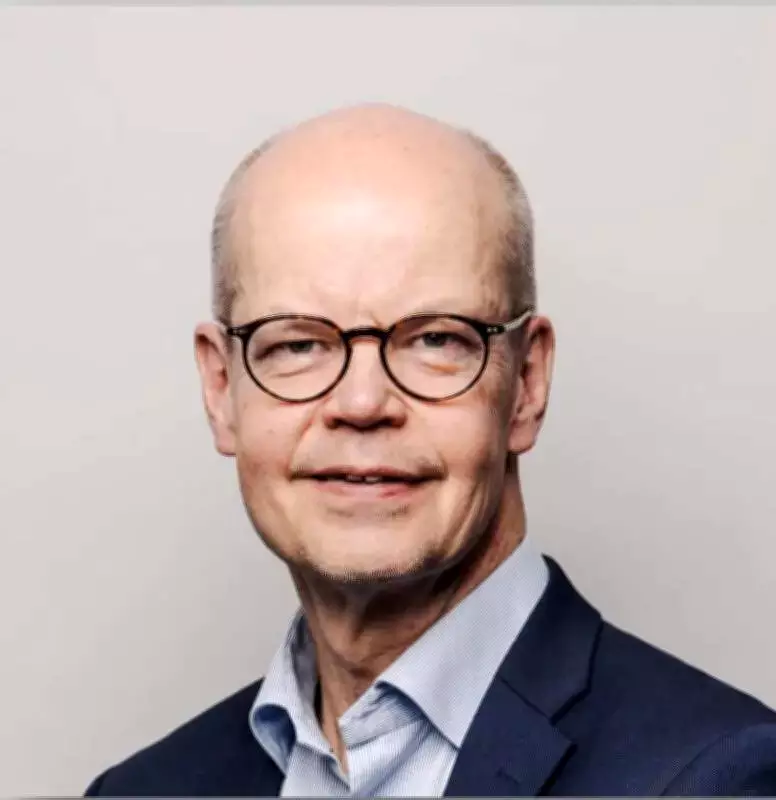
Mumbai: International schools must abandon their "island-like" approach and actively engage with the communities they serve, according to Olli-Pekka Heinonen, director general of the International Baccalaureate (IB) education board. This statement comes amid growing criticism that IB students often lack meaningful connections to their immediate social and cultural environments.
Addressing the Isolation of International Education
Speaking exclusively to The Times of India during a summit celebrating 50 years of IB in India, Heinonen emphasized the responsibility of educational institutions to forge stronger links with their local surroundings. "International schools operate within an island and need to engage with the community they are from and need to be responsible for them," he asserted. This call to action highlights a significant shift in perspective, urging schools to integrate rather than isolate themselves from local contexts.
Clarification on BMC-Run School Shutdown
Regarding the recent closure of a Brihanmumbai Municipal Corporation (BMC)-operated IB school in Vile Parle, Heinonen clarified that the decision was not made by the IB board. He expressed disappointment, noting that the school was on the verge of securing official affiliation. "The shutdown of the government school was not our decision. The school was very close to gaining affiliation and we were very disappointed that it will not be continuing," he explained. High affiliation costs were cited by BMC authorities as a primary reason for the closure, raising questions about financial accessibility in public education.

Viability of IB in Public Education Systems
Heinonen pointed to successful global examples to demonstrate the feasibility of incorporating IB frameworks into public education. He highlighted that Japan boasts over 200 government-run IB schools, while Greece has recently established 13 such institutions. "There is a viable model for public education within the IB framework," he stated, suggesting that cost barriers can be overcome with strategic planning and commitment.
Teacher Training as a Cornerstone of Educational Reform
As India transitions from rote learning to competency-based education across all boards, Heinonen stressed that meaningful reform must begin with educators. He identified teacher training as the top priority, advocating for a shift from traditional instruction methods to inquiry-based facilitation in classrooms. "Studies and research have shown that teachers learn best from other teachers, so there needs to be an exchange of best practices regularly," he noted, underscoring the importance of collaborative professional development.
Blending Local and International Pedagogies
Heinonen also called for greater autonomy for educators, emphasizing the need to integrate local teaching practices and cultural contexts with international pedagogies. This blended approach, he argued, is essential for making learning more effective and relevant. By combining global educational standards with indigenous knowledge and methods, schools can create a more holistic and engaging learning experience for students.
The insights from Heinonen highlight a pivotal moment in international education, where community engagement, teacher empowerment, and cultural integration are becoming central to educational excellence and sustainability.