Rewiring Higher Learning Through Human Ingenuity
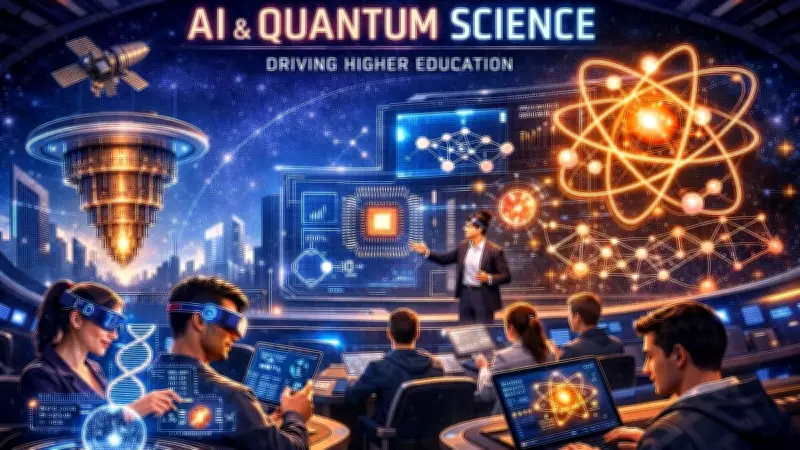
In an era dominated by rapid technological advancements, the landscape of higher education is experiencing a fundamental rewiring. This transformation is not merely about integrating new tools but fundamentally rethinking how learning occurs, with human ingenuity at its core. Institutions worldwide are shifting away from traditional, lecture-based models to foster environments where creativity, critical thinking, and problem-solving thrive.
The Shift from Rote Learning to Creative Engagement
For decades, higher education has often relied on rote memorization and standardized testing, which can stifle innovation. However, a growing movement emphasizes the importance of human ingenuity—the unique ability of individuals to think creatively, adapt, and collaborate. This approach recognizes that while technology provides powerful resources, it is human insight that drives meaningful progress.
Universities and colleges are increasingly designing curricula that encourage experiential learning, such as project-based assignments, interdisciplinary studies, and real-world problem-solving scenarios. These methods not only enhance knowledge retention but also equip students with the skills needed to navigate complex, unpredictable challenges in their careers and communities.

Integrating Technology with Human-Centric Pedagogy
The integration of technology in education, from artificial intelligence to online platforms, offers unprecedented opportunities for personalized learning and access. Yet, the key to success lies in balancing these tools with a human-centric pedagogy. Educators are leveraging technology to support, rather than replace, the human elements of teaching—such as mentorship, emotional intelligence, and ethical reasoning.
For instance, flipped classrooms and blended learning models allow students to engage with content at their own pace, freeing up class time for interactive discussions and collaborative projects. This synergy between technology and human interaction fosters a more dynamic and inclusive educational experience, catering to diverse learning styles and needs.
Preparing Students for a Dynamic Future
The ultimate goal of rewiring higher learning is to prepare students not just for specific jobs, but for a lifetime of adaptation and innovation. In a world where automation and artificial intelligence are reshaping industries, skills like critical thinking, creativity, and emotional resilience are becoming increasingly valuable. By prioritizing human ingenuity, educational institutions are cultivating graduates who can lead with empathy, solve complex problems, and contribute to societal well-being.
This transformation also involves re-evaluating assessment methods, moving beyond grades to include portfolios, peer reviews, and reflective practices that capture a broader range of competencies. Such changes signal a commitment to holistic development, ensuring that education remains relevant and impactful in the face of global changes.
In summary, the rewiring of higher education through human ingenuity represents a pivotal shift towards more engaging, adaptable, and future-ready learning systems. By harnessing the power of human creativity alongside technological advancements, institutions are paving the way for a generation of learners equipped to thrive in an ever-evolving world.