Goa's DJ-Gift Scheme: A Rs 117 Crore Boost for Engineering Students
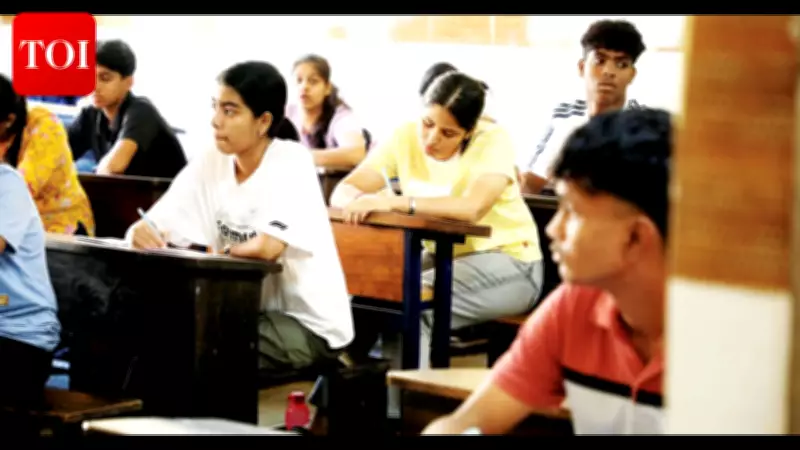
In a significant move to enhance access to technical education, the Goa government's DJ-Gift scheme has provided fee subsidies to 16,166 students pursuing engineering at private colleges in the state. Launched during the diamond jubilee year of Goa's Liberation, this initiative aims to remove financial barriers for aspiring engineers.
Scheme Details and Financial Impact
Under the Diamond Jubilee Govt Investment for Technical Education (DJ-Gift), students pay a fixed base fee notified annually by the government, with the state covering the remaining amount. From 2021 to 2026, the state has allocated Rs 117 crore to fund this program, demonstrating a strong commitment to educational affordability.
The scheme was introduced to address a critical issue: while seats at the government-run Goa Engineering College in Farmagudi were consistently filled, hundreds of seats at the four private engineering colleges remained vacant. High fees, which can reach up to Rs 2 lakh per annum, were identified as a major impediment. With DJ-Gift, students typically pay Rs 1 lakh, and the state subsidizes the balance, making private college education more viable.

Year-by-Year Benefits and Student Impact
The program has seen substantial uptake since its inception:
- 2021-22: 3,625 students benefited, with the state spending Rs 11.5 crore.
- 2022-23: 3,448 students received subsidies, costing Rs 34 crore.
- 2023-24: 3,194 students were assisted, with an expenditure of Rs 31.9 crore.
- 2024-25: 2,987 students benefited, costing Rs 29.4 lakh.
- 2025-26: 2,915 students availed of the scheme.
Initially, there was no income limit for eligibility, but the government later introduced one to better target the subsidies. This adjustment reflects efforts to optimize resource allocation while maintaining broad accessibility.
Broader Educational Goals and Parental Benefits
The DJ-Gift scheme is designed to ensure that fee hikes at private engineering colleges do not deter students from pursuing degrees. By providing predictable costs, it allows parents to plan financially for their child's four-year engineering program with clarity, as the state bears the variable portion of the fees.
Goa has five engineering colleges in total, with four being private institutions. This scheme not only fills vacant seats but also promotes a more equitable distribution of educational opportunities across the state. It underscores the government's proactive approach to bridging gaps in technical education and fostering a skilled workforce for the future.