Galgotias University Issues Apology Over False AI Innovation Claims at Summit
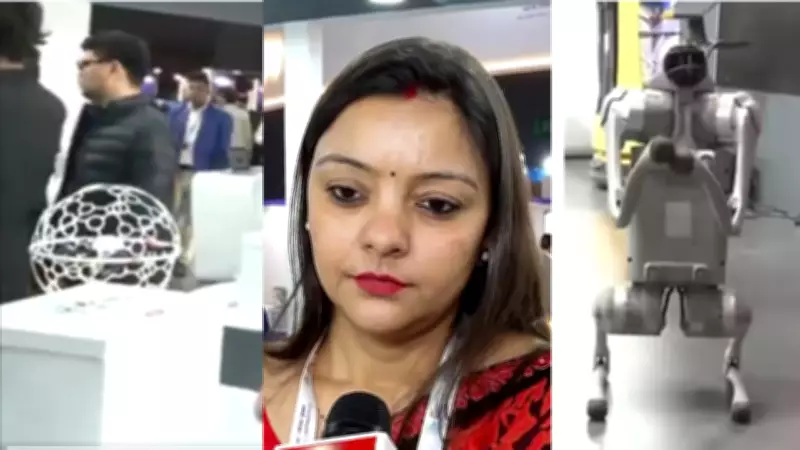
Galgotias University has issued a formal apology and initiated damage control measures after a significant controversy erupted regarding false claims of in-house innovations at its booths during the ongoing AI Impact Summit 2026. The university placed full blame on Professor Neha Singh, who was responsible for managing the pavilion, citing her as "ill-informed" and unauthorized to speak to the media.
University's Apology and Damage Control
In a press release, Galgotias University expressed deep regret for the confusion caused at the summit. The statement clarified that Professor Neha Singh, the pavilion in-charge, was unaware of the technical origins of the displayed products and, in her enthusiasm, provided factually incorrect information to the press without authorization. The university emphasized that there was no "institutional intent" behind the misrepresentation and reaffirmed its commitment to academic integrity and transparency. As a gesture of understanding, the university vacated the premises in response to the organizers' sentiments.
Contrast with Earlier Statements
This apology marks a stark reversal from the university's initial responses. Earlier, Galgotias had defended its position by categorically denying any claims of building the robotic dog and labeling the incident as a "propaganda campaign" against the institution. The university had stressed its focus on student learning through exposure to advanced global technologies, asserting that the robot was intended for educational purposes and experimentation.

Timeline of Events and Escalation
- First Response: The university stated it had not built or claimed to build the robotic dog, highlighting its mission to foster student innovation by studying global technologies.
- Second Response: Galgotias escalated its defense by alleging a propaganda campaign, emphasizing the need to develop AI talent through real-world skills using available tools.
- Professor's Clarification: Professor Neha Singh later took accountability, admitting that her communication may have been unclear due to enthusiasm, and clarified that the robot was not manufactured by the university but used to inspire students.
Root of the Controversy
The controversy began when the robotic dog displayed at the university's stall was identified as the Unitree Go2, a commercially available product manufactured by a Chinese robotics firm and sold in India for approximately Rs 2–3 lakh. Critics accused Galgotias of presenting this imported technology as an in-house innovation at a national AI event meant to showcase domestic achievements. Further scrutiny revealed that another product, a "soccer drone arena," was also falsely claimed as an innovation, with similarities to a South Korean product available in the market.
Triggering Incident and Political Reactions
The row was triggered when Professor Neha Singh, in an interview with DD News, described the robot as developed by the university's Center of Excellence, mentioning a significant investment in AI. This led to sharp reactions from opposition leaders, including the Congress party, which criticized the Modi government for embarrassing India by promoting Chinese robots as domestic innovations. Leader of Opposition Rahul Gandhi labeled the summit a "disorganised PR spectacle," accusing it of showcasing foreign products instead of leveraging Indian talent.
Aftermath and Institutional Impact
Following the controversy, power at the Galgotias University pavilion was reportedly cut off, and the university was asked to vacate the expo. This incident has raised questions about ethical representation in academic and technological forums, underscoring the importance of transparency in promoting innovation. Galgotias University's swift apology aims to mitigate damage to its reputation, but the episode highlights broader issues of accountability and integrity in educational institutions participating in high-profile events.