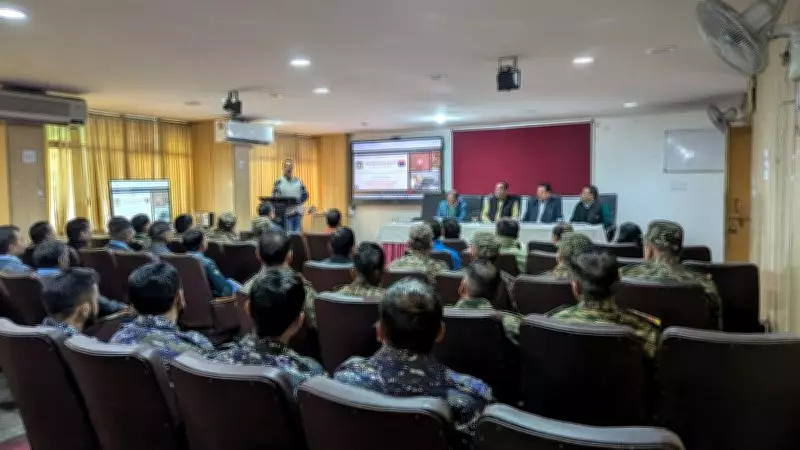
Palampur Agricultural University Trains Defence Personnel in Protected Cultivation
In a significant initiative to promote modern agricultural practices, CSK Himachal Pradesh Agricultural University in Palampur has successfully conducted a specialized training program for defence personnel. The program focuses on protected cultivation techniques, aiming to equip military staff with advanced farming skills for enhanced self-sufficiency and sustainability.
Enhancing Agricultural Expertise for Defence Forces
The training, organized by the university's Department of Vegetable Science, involved hands-on sessions and theoretical lessons on various aspects of protected cultivation. Defence personnel learned about greenhouse management, soil-less farming, and climate-controlled agriculture, which are crucial for year-round crop production in diverse environments. This initiative underscores the university's commitment to extending agricultural knowledge beyond traditional sectors.
Key Components of the Training Program
The program covered several critical areas to ensure comprehensive learning for the participants:

- Greenhouse Technology: Instruction on setting up and maintaining greenhouses for optimal crop growth.
- Hydroponics and Aeroponics: Training in soil-less farming methods to maximize resource efficiency.
- Pest and Disease Management: Strategies for controlling pests and diseases in protected environments.
- Water Conservation Techniques: Methods to reduce water usage through drip irrigation and other systems.
Benefits for Defence Personnel and Agricultural Sector
This training program offers multiple advantages, not only for the defence forces but also for the broader agricultural community. By mastering protected cultivation, defence personnel can contribute to food security in remote areas and during deployments. Additionally, it fosters innovation in farming practices, potentially leading to increased crop yields and reduced environmental impact. The university plans to continue such collaborations to support national agricultural goals.
The initiative highlights the growing importance of integrating modern agricultural techniques into various sectors, including defence, to build resilience and promote sustainable development.