Columbia University Retreats from Major Enrollment Increase Following Campus Opposition
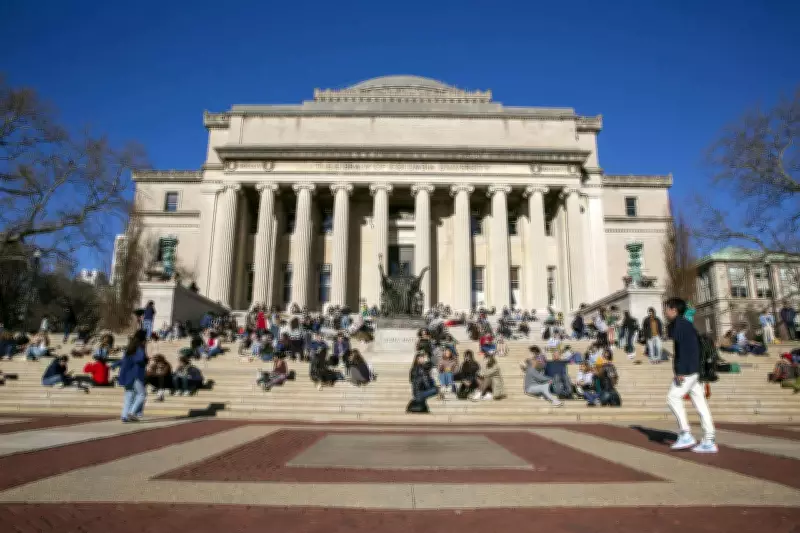
Columbia University has reportedly scaled back its ambitious plan to significantly increase undergraduate enrollment after facing substantial criticism from faculty members, students, and alumni. The university community expressed serious concerns that such expansion could severely strain campus resources and potentially compromise academic quality.
Original Expansion Proposal and Revised Timeline
According to detailed reporting by the Columbia Spectator, the university administration had initially considered expanding the student body of Columbia College and the Columbia School of Engineering and Applied Science by up to twenty percent. This substantial increase would have represented one of the most significant enrollment expansions in recent university history.
The university had originally planned to finalize its decision by November 2025, before releasing early decision admissions results for the Class of 2030 on December 16. However, that deadline has now been extended to late March, when regular decision admissions results are scheduled to be announced. This extension provides additional time for comprehensive review and campus consultation.

A university spokesperson confirmed to the Spectator that no final decision has been taken yet. The administration continues to review multiple academic and operational factors before making any determination about potential enrollment changes.
Faculty and Student Concerns Over Resource Strain
The expansion proposal triggered strong responses across the campus community, with more than seven hundred students and faculty members signing an open letter urging the university's board of trustees to commit to major investments in infrastructure and academic resources before considering any enrollment increase.
Faculty members expressed particular concern that expanding the student body without sufficient resources could weaken the academic environment and diminish educational quality. Professor Rosalind Morris emphasized that expansion should only be considered if accompanied by adequate funding, faculty hiring, and a clear commitment to maintaining academic standards.
Student leaders highlighted existing capacity challenges on campus, documenting overcrowding in dining halls, libraries, and recreational facilities. In a video prepared by student councils, students showed long waits for seating in the John Jay dining hall and Butler Library during critical exam periods, illustrating current resource limitations.
Transparency Concerns and Faculty Response
Some faculty members have criticized the university administration for keeping discussions about expansion largely confidential. Mathematics professor Michael Thaddeus argued that greater transparency is necessary when decisions could significantly affect students and academic resources.
Faculty members are expected to vote on a motion opposing enrollment expansion during a meeting scheduled for March 11, with electronic voting continuing until March 16. This formal opposition represents a significant institutional response to the proposed changes.
Proposed Improvements and Final Decision Timeline
Meanwhile, university administrators have proposed several potential improvements to campus facilities, including a new athletics facility and additional late-night dining options. However, critics argue these proposals remain limited in scope and lack firm commitments or detailed implementation plans.
The final decision on whether to expand undergraduate enrollment is expected later in March, coinciding with the university's release of regular admissions results. This timing allows the administration to consider both campus feedback and broader institutional priorities before making a definitive determination about enrollment policy.