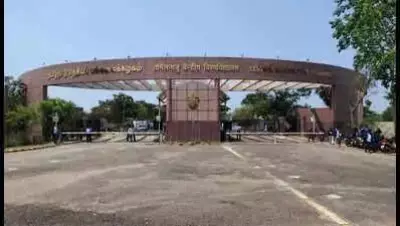
A comprehensive three-day technology orientation program focusing on the diversity and cultivation of economically important silkworms is currently being conducted at the Rajiv Gandhi South Campus of Banaras Hindu University in Barkachha, Varanasi. The event, which runs from January 28 to 30, represents a significant initiative to bridge the gap between theoretical knowledge and practical application in the field of sericulture.
Program Objectives and Organizers
Organized by the Central Silk Board (CSB) through its ERI Research Extension Centre in Fatehpur, this program is a key component of the board's Capacity Building and Training efforts. It specifically targets BSc and MSc students, aiming to deepen their academic understanding while enhancing their hands-on skills. The curriculum places special emphasis on the diversity of silkworm species, their cultivation techniques, and the substantial economic importance of sericulture. Additionally, the program incorporates discussions on recent technological advancements in silk production, ensuring participants are up-to-date with modern practices.
Emphasis on Integration and Development
During the inaugural function, Professor-in-Charge Prof. BMN Kumar of RGSC highlighted the critical need to integrate classroom learning with field-based and skill-oriented training. He pointed out that sericulture holds immense potential for generating employment, fostering entrepreneurship, and promoting inclusive rural development, particularly in the eastern regions of Uttar Pradesh. Prof. Kumar further stressed the importance of interdisciplinary research, robust industry–academia collaboration, and effective technology transfer as essential pillars for strengthening the sericulture sector.

Interactive Sessions and Expert Insights
On the first day, the program featured a series of expert lectures, practical demonstrations, and interactive sessions. These activities covered various aspects of sericulture, including mulberry, eri, tasar, and muga silkworm cultivation. By combining theoretical insights with hands-on experiences, the program aims to equip students with the necessary tools to contribute meaningfully to the sericulture industry and drive innovation in silk production.