The Growing Threat of Predatory Journals in Academia
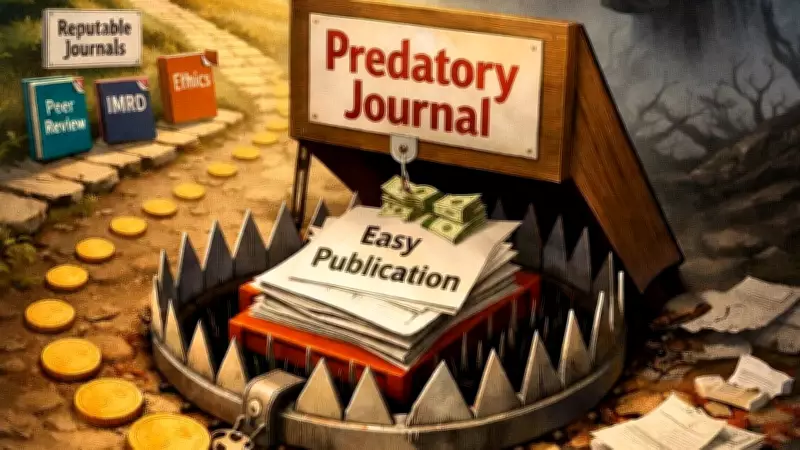
In the competitive world of academic research, the pressure to publish is immense. However, this environment has given rise to a dangerous phenomenon: predatory journals. These are fake or low-quality publications that exploit researchers by charging fees without providing legitimate peer review or proper indexing. They pose a significant threat to research integrity, wasting time and money while potentially damaging careers.
What Are Predatory Journals?
Predatory journals are deceptive publications that mimic legitimate academic journals but lack proper editorial standards. They often use aggressive marketing tactics, such as unsolicited emails promising rapid publication. Their primary goal is to collect article processing charges (APCs) from authors, typically ranging from a few hundred to over a thousand dollars, without delivering the promised services.
Key characteristics of predatory journals include:

- Lack of transparent peer review processes
- False claims about impact factors or indexing in reputable databases
- Poor website quality with grammatical errors and missing contact information
- Aggressive solicitation of manuscripts through spam emails
- Unclear or hidden publication fees
Why Are Predatory Journals a Problem?
The proliferation of predatory journals undermines the credibility of scientific research. When studies are published in these outlets, they often bypass rigorous scrutiny, leading to the dissemination of flawed or unverified findings. This can have serious consequences, especially in fields like medicine or public health, where inaccurate information can harm patients or misguide policy decisions.
For researchers, publishing in a predatory journal can damage their reputation and career prospects. Academic institutions and funding agencies increasingly scrutinize publication records, and association with fake journals can lead to lost opportunities. Moreover, the financial cost is substantial, with researchers worldwide losing millions of dollars annually to these scams.
How to Identify Predatory Journals
Protecting yourself from predatory journals requires vigilance and knowledge. Here are practical steps to identify and avoid them:
- Check the journal's indexing: Verify if the journal is listed in reputable databases like Scopus, Web of Science, or PubMed. Predatory journals often make false claims about their indexing status.
- Evaluate the peer review process: Legitimate journals have clear, transparent peer review policies. Be wary of those that promise publication within days or weeks, as this often indicates a lack of proper review.
- Examine the editorial board: Research the backgrounds of editorial board members. Predatory journals may list fake or unqualified experts.
- Assess the website quality: Look for professional design, correct grammar, and detailed contact information. Poorly maintained sites are a red flag.
- Consult trusted resources: Use tools like Think. Check. Submit. or the Directory of Open Access Journals (DOAJ) to verify a journal's legitimacy.
Strategies to Avoid Falling into the Trap
Beyond identification, researchers can adopt proactive strategies to safeguard their work:

- Educate yourself and colleagues: Stay informed about common predatory practices and share this knowledge within your academic community.
- Prioritize quality over quantity: Focus on publishing in well-established, reputable journals, even if it takes longer. This enhances the impact and credibility of your research.
- Seek mentorship: Consult experienced researchers or librarians for advice on selecting appropriate journals for your work.
- Report suspicious journals: If you encounter a potential predatory journal, report it to academic institutions or databases to help protect others.
The fight against predatory journals is ongoing, but by staying informed and cautious, researchers can protect their work and contribute to maintaining the integrity of academic publishing. Always remember: thorough due diligence before submission is your best defense against these deceptive practices.