Aviation Dreams Grounded by Financial Barriers in Hyderabad
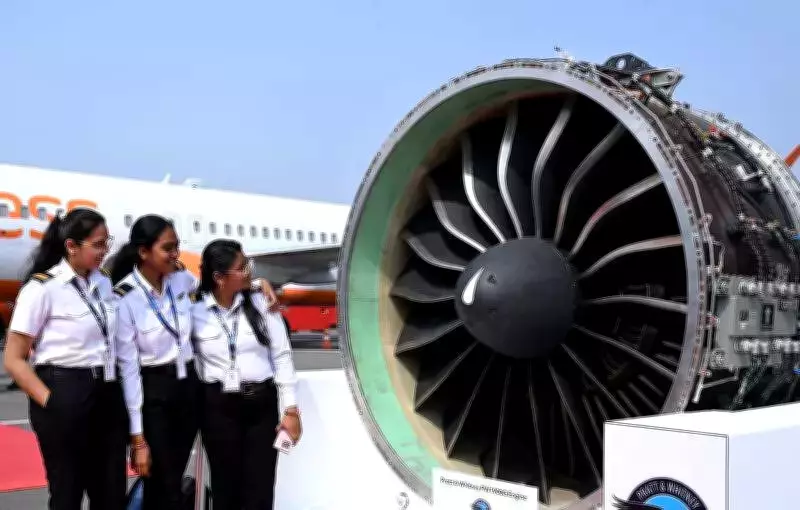
In a stark revelation from Hyderabad's aviation sector, affordability has emerged as the most significant obstacle preventing talented individuals from pursuing careers in aviation. Industry leaders participating in the 'Flying Training: Skilling in Aviation' session highlighted how exorbitant costs, particularly for pilot training, are forcing countless aspirants to abandon their aviation ambitions.
Financial Hurdles Crushing Aviation Aspirations
Sanjay Aditya Singh, CEO of Jettwings Airways, presented alarming statistics, stating, "Almost 90% of aspirants do not proceed with pilot training because of the prohibitive costs involved. This represents a massive loss of potential talent that India's growing aviation sector desperately needs." He emphasized the urgent requirement for government-backed financing mechanisms to ensure economic constraints don't deprive the industry of capable professionals.
Echoing this sentiment, Hemanth DP, CEO of Asia Pacific Training Academy, called for innovative financial collaboration models. "We need greater utilization of Corporate Social Responsibility (CSR) funds from major aviation operators and Original Equipment Manufacturers (OEMs) to make training more accessible," he asserted. "Prospective pilots and engineers should not face the impossible choice of mortgaging family homes to fund their education. Institutional funding support represents the only viable pathway for this industry to scale effectively."

Geographic and Infrastructure Challenges
Christine Bohl, Director of Commercial Training Solutions at Boeing, drew attention to another critical dimension: geographic accessibility. She stressed the imperative to reach youth in remote and underserved regions where aviation careers often seem completely unattainable. "Many students in these areas have never seen an aircraft up close and consequently don't view aviation as a viable career option," Bohl explained, highlighting the need for outreach programs.
Beyond financial and geographic barriers, speakers identified severe infrastructure deficiencies. They flagged the acute shortage of dedicated aviation training airfields, suggesting that India would require at least 10–12 exclusive training airfields over the next fifteen years to meet growing demand. This infrastructure gap compounds existing challenges in aviation education.
Regulatory Bottlenecks and Skill Shortages
The panel discussion revealed multiple systemic bottlenecks slowing aviation training capacity expansion. Critical issues identified include:
- Skill shortages among qualified aviation instructors
- Absence of a defined career progression framework for training professionals
- Excessively long approval timelines for Flight Training Organizations (FTOs)
- Regulatory delays and complex Directorate General of Civil Aviation (DGCA) processes
While acknowledging recent improvements in DGCA engagement, panelists expressed frustration with persistent bureaucratic delays, particularly in licensing, certification, and approval procedures. Comparisons were drawn with the United States, where pilot licenses are issued almost immediately after verification, contrasting sharply with India's protracted processes.
Technological Solutions and Future Pathways
Panelists unanimously underscored the transformative potential of modern training technologies in addressing India's severe pilot and technician shortage. They emphasized that advanced tools are essential for scaling capacity without compromising safety standards:

- Virtual Reality (VR) and Augmented Reality (AR) for immersive training experiences
- Artificial Intelligence (AI) for personalized learning pathways
- 3D modeling and advanced simulation for realistic scenario training
"These technologies can significantly shorten training timelines, improve knowledge retention, and enhance overall safety protocols," noted one expert. As India's aviation sector continues its rapid expansion, integrating such innovations with financial accessibility measures and regulatory reforms appears crucial for developing the skilled workforce needed to sustain growth.
The Hyderabad discussion ultimately painted a comprehensive picture of interconnected challenges—financial, geographic, infrastructural, regulatory, and technological—that must be addressed collectively to transform aviation from an elite career path to an accessible profession for India's diverse talent pool.