For aspirants preparing for the Union Public Service Commission (UPSC) Civil Services Examination, staying updated with current affairs is non-negotiable. The Indian Express UPSC Key for December 18, 2025, provides a critical analysis of significant national and international developments, linking them directly to the Prelims and Mains syllabus. Here is a detailed, rewritten breakdown of the key topics covered.
India and Ethiopia Forge Strategic Partnership
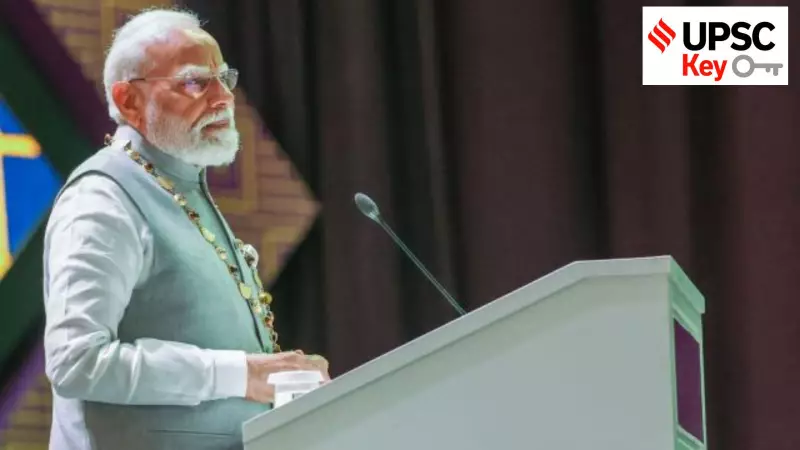
Prime Minister Narendra Modi's visit to Ethiopia marked a pivotal moment in bilateral relations. During his address to the Ethiopian parliament, PM Modi declared India and Ethiopia as "natural partners" in regional peace, security, and connectivity. This visit, part of a three-nation tour that included Jordan and Oman, resulted in the elevation of bilateral ties to a Strategic Partnership.
The newly signed Defence Cooperation Agreement focuses on enhanced military collaboration, including cybersecurity, defence industries, joint research, and capacity building. PM Modi highlighted that Indian companies have invested over USD 5 billion in Ethiopia, creating more than 75,000 jobs in sectors like textiles, manufacturing, and agriculture.

From a UPSC perspective, this topic is crucial for both the Preliminary Examination (Current events) and the Mains GS-II paper (Bilateral relations). Key areas to ponder include the definition of a 'strategic partnership', the historical context of India-Ethiopia relations, and its significance for India's engagement with the Global South. PM Modi also emphasized India's proposal for a Global Development Compact, focusing on technology sharing and affordable finance.
India-Bangladesh Relations: Security Concerns Surface
Diplomatic tensions flared as India summoned the Bangladeshi High Commissioner to express "strong concerns" about the deteriorating security environment in Dhaka. The Ministry of External Affairs specifically pointed to activities by extremist elements threatening the security of the Indian High Commission.
The context involves anti-India rhetoric from certain political figures in Bangladesh and protests demanding the return of former Prime Minister Sheikh Hasina, who is currently in exile in India. This development underscores the complex dynamics of neighbourhood diplomacy. For UPSC aspirants, understanding the history of India-Bangladesh ties, areas of cooperation, and emerging challenges is vital. Map-based questions related to Bangladesh and its bordering Indian states are also common in Prelims.
Regulatory Reset: Rollback of Quality Control Orders
In a significant policy shift, the government has decided to withdraw Quality Control Orders (QCOs) on a wide range of industrial raw materials. This move, based on recommendations from NITI Aayog, is seen as a welcome regulatory reset aimed at boosting manufacturing competitiveness.
QCOs, which mandate Bureau of Indian Standards (BIS) certification, had expanded from about 70 a decade ago to over 790 earlier this year. The orders began to cover low-risk inputs like polymers and metals, imposing high compliance costs and delays, particularly on MSMEs. The rollback aligns India's approach with global practices, where such certification is typically required for finished goods and safety-critical items, not bulk raw materials.
For the UPSC Mains GS-III (Economy), this topic touches on issues of ease of doing business, integration into global supply chains, and the balance between quality control and competitiveness. Aspirants should understand the role of BIS and the rationale behind this policy correction.
India-US Trade: Surge in Exports Amidst Deal Hopes
India's exports to the United States saw a sharp 22% surge in November 2025, reversing a two-month decline. This resilience comes despite the burden of high US tariffs on many Indian products. Analysts suggest the surge may be driven by short-term factors, including a weaker rupee and exporters bearing costs in anticipation of a potential trade deal.

Key drivers included a 90% jump in exports to China (as Beijing restricted imports from Japan) and increased shipments to Europe ahead of the Carbon Border Adjustment Mechanism (CBAM). However, concerns remain that orders may dry up, with competitors like Vietnam and Bangladesh gaining ground. A comprehensive trade deal is still considered essential for sustained growth. This issue is relevant for GS-II (International Relations) and requires an understanding of the ongoing negotiations and strategic importance of the India-US economic relationship.
The Imperative to Criminalise Marital Rape
Shashi Tharoor's private member's Bill to remove the marital rape exception has reignited a critical legal and social debate. The exception, currently under Section 63 of the new Bharatiya Nyaya Sanhita (BNS), exempts a husband from prosecution for raping his wife if she is above 18 years of age.
This colonial-era provision is argued to be a violation of fundamental rights to dignity, privacy, and bodily autonomy under Article 21 of the Constitution. Data from the National Family Health Survey-5 (NFHS-5) indicates that 83% of married women who face sexual violence name their husband as the perpetrator. The Justice Verma Committee (2013) had recommended removing this exception. For UPSC Mains (GS-I Society and GS-II Governance), this topic involves analyzing the constitutional principles, arguments for and against criminalization, and India's commitments under international conventions like CEDAW.
Other Key News in Brief
India-Oman CEPA: Prime Minister Modi's visit to Oman culminated in the signing of a Comprehensive Economic Partnership Agreement (CEPA), aimed at strengthening economic ties.
Navy's Capability Boost: The Indian Navy commissioned its second squadron of advanced MH-60R Seahawk helicopters, enhancing anti-submarine warfare and surveillance capabilities.
RBI on Interest Rates: RBI Governor Sanjay Malhotra indicated that interest rates are likely to remain low for a prolonged period, supporting economic growth.
SEBI Mutual Fund Reforms: The market regulator announced major reforms, including a revision in expense ratio limits for mutual funds to protect investor interests.