For generations, a successful career in India was synonymous with a detailed, long-term map. Students were pressured to choose a path early, professionals meticulously charted their next promotions, and any uncertainty was seen as a lack of direction. The revered five-year plan stood as the ultimate symbol of a serious, ambitious professional. However, that era of predictable career trajectories is over.
The End of the Five-Year Blueprint
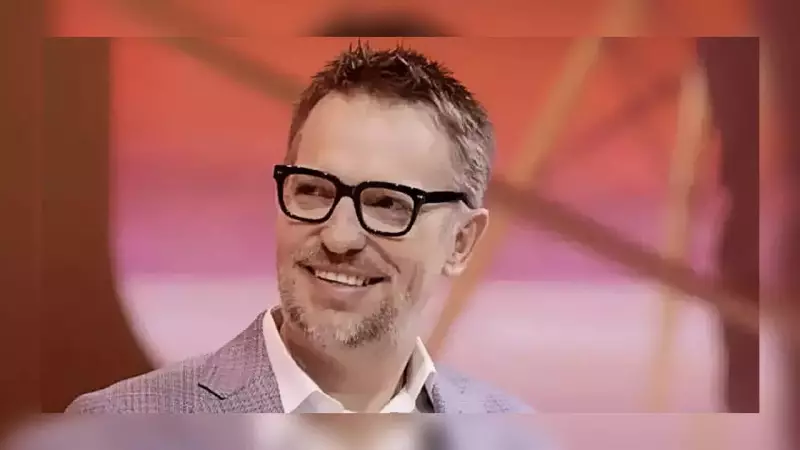
The accelerating pace of technological change, especially through artificial intelligence, is reshaping jobs faster than companies can adapt. Roles emerge, evolve, and disappear in short cycles, making long-term predictions less of a strategy and more of a gamble. It is in this context that LinkedIn CEO Ryan Roslansky is challenging one of the professional world's most cherished ideals.
Speaking on content creator Erin McGoff's YouTube channel AdviceWithErin, Roslansky labelled the classic five-year plan as "a little bit outdated" and even "a little bit foolish." He argued that with AI and rapid tech shifts transforming workplaces, it is no longer realistic to meticulously chart the next half-decade of one's professional life.

A New Career Model: Learning Over Prediction
Roslansky urges professionals to swap rigid planning for a flexible, learning-centric mindset. The critical question is no longer "Where do I want to be in five years?" but "What do I want to learn next?"
"I think that's the right mental model in this environment," Roslansky stated. "If you focus on those shorter steps, gaining learning, gaining experience, a lot of your career path will open up for you." He believes progress now comes from constant motion and skill acquisition, not from distant foresight.
This philosophy also rejects the traditional linear ladder of success. The neat narrative of school, college, a stable job, and predictable promotions is a myth for most. Modern careers are non-linear—they zigzag, pause, and restart. Accepting this reality, according to Roslansky, is the first step to taking real control.
Practical Skills for the New Workforce
For young professionals in India, Roslansky's advice is action-oriented. His primary recommendation is to "Learn the tools." He encourages hands-on experimentation with AI at work, even for simple tasks.
"Try and figure out how to create a PowerPoint presentation out of chat," he suggested. "Figure out how this can help you with a better marketing message." The goal is not instant mastery but developing comfort and adaptability with new technologies.
However, Roslansky balances this tech focus by underscoring the enduring value of human skills. In a world increasingly driven by software, empathy, judgment, and communication become critical differentiators.
"In a world where everyone is kind of focused more on the technology, if you really work on a lot of those human skills, it can be a great differentiator for you," he emphasised.
Ultimately, Roslansky's argument reframes career planning for an unstable age. The goal shifts from predicting the future to preparing for uncertainty with a robust toolkit of both technical and human capabilities. While five-year plans once signalled ambition, today's advantage lies in learning faster than change itself.